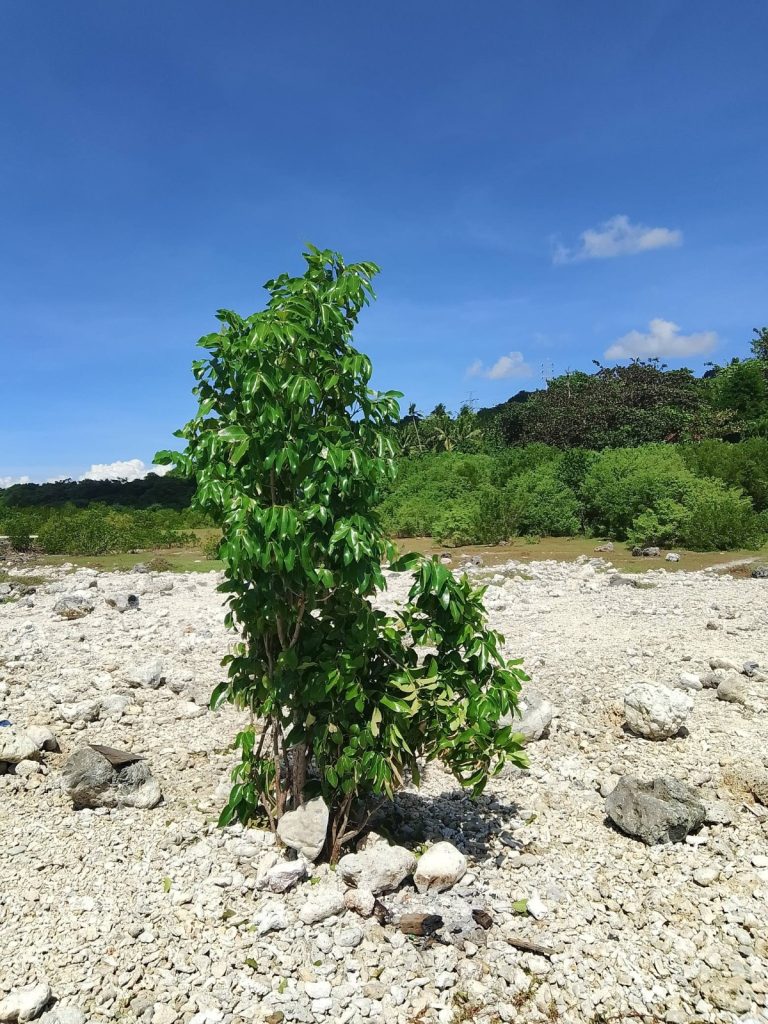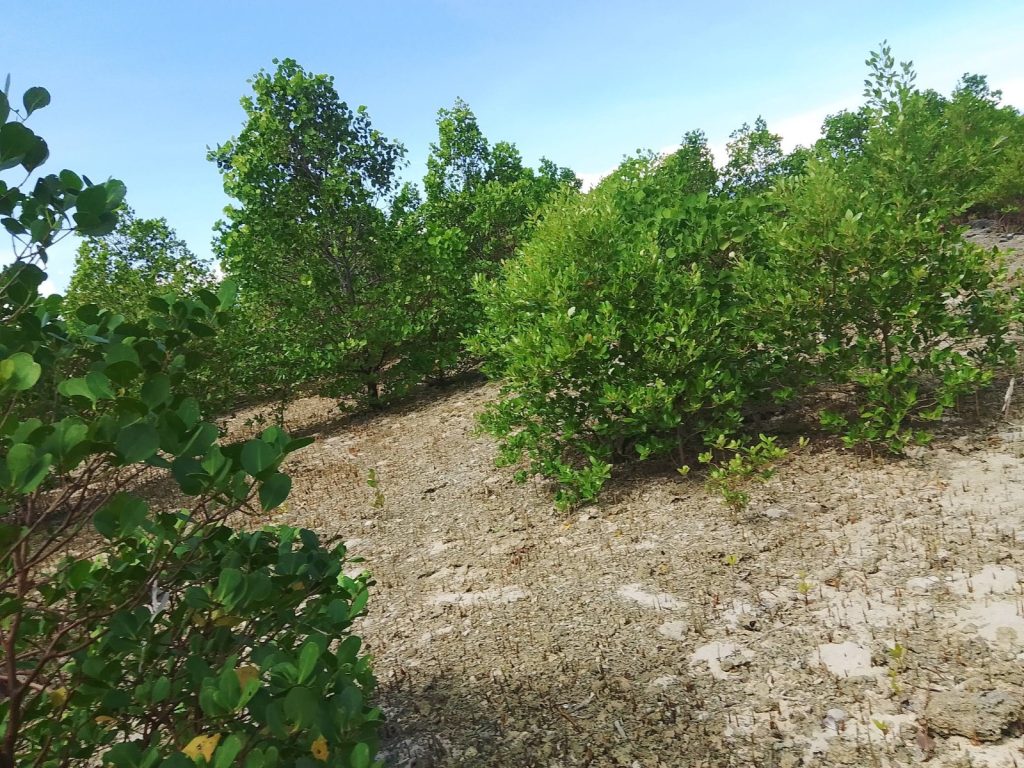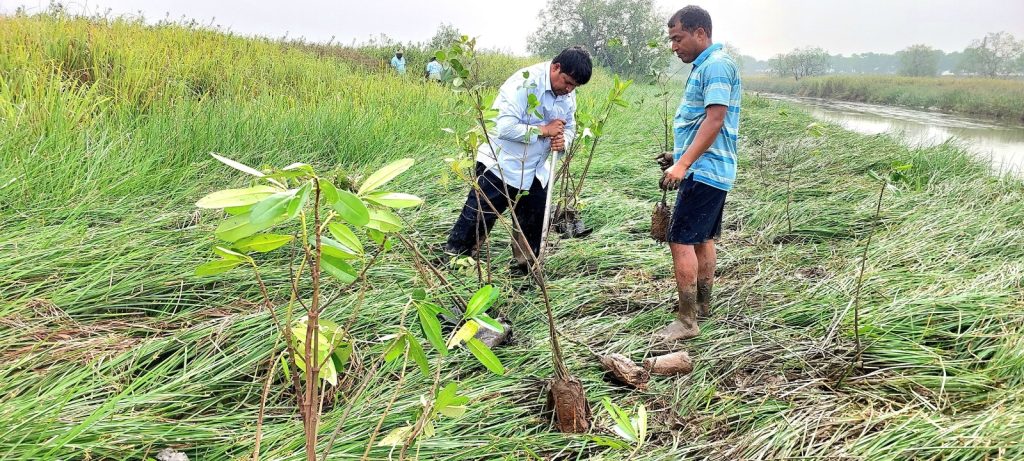
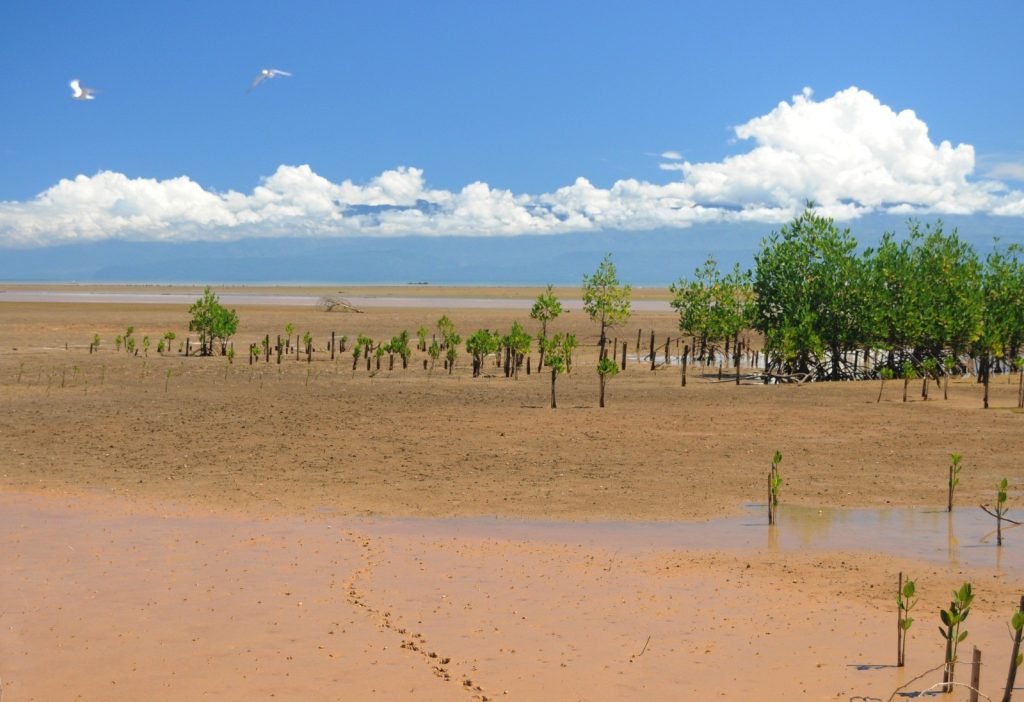
Marine life and coastal borders are vital; they form the living bridge between the ocean, people, and the wider world. Coastlines, where the tides meet the land, can be gentle and fiercely aggressive at times.
With every high and low tide, these regions face constant pressure, as powerful waves slowly take away the land through erosion. Over time, the shoreline recedes, reshaping both nature and human settlements. In such fragile environments, life becomes challenging for coastal communities and marine ecosystems, demanding resilience, care, and sustainable protection.
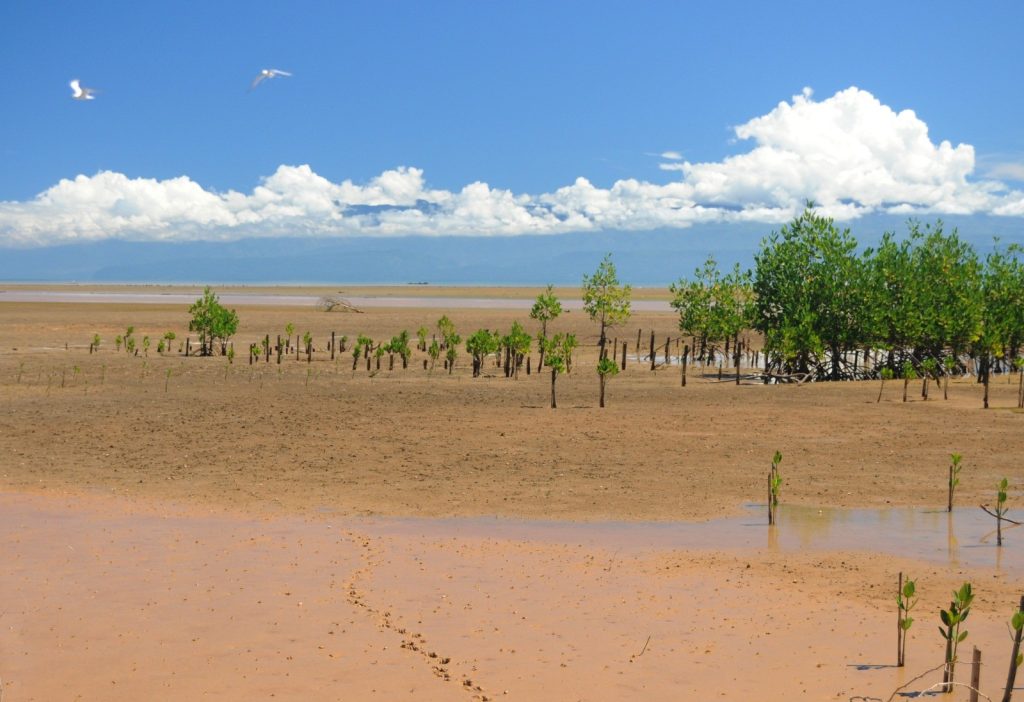
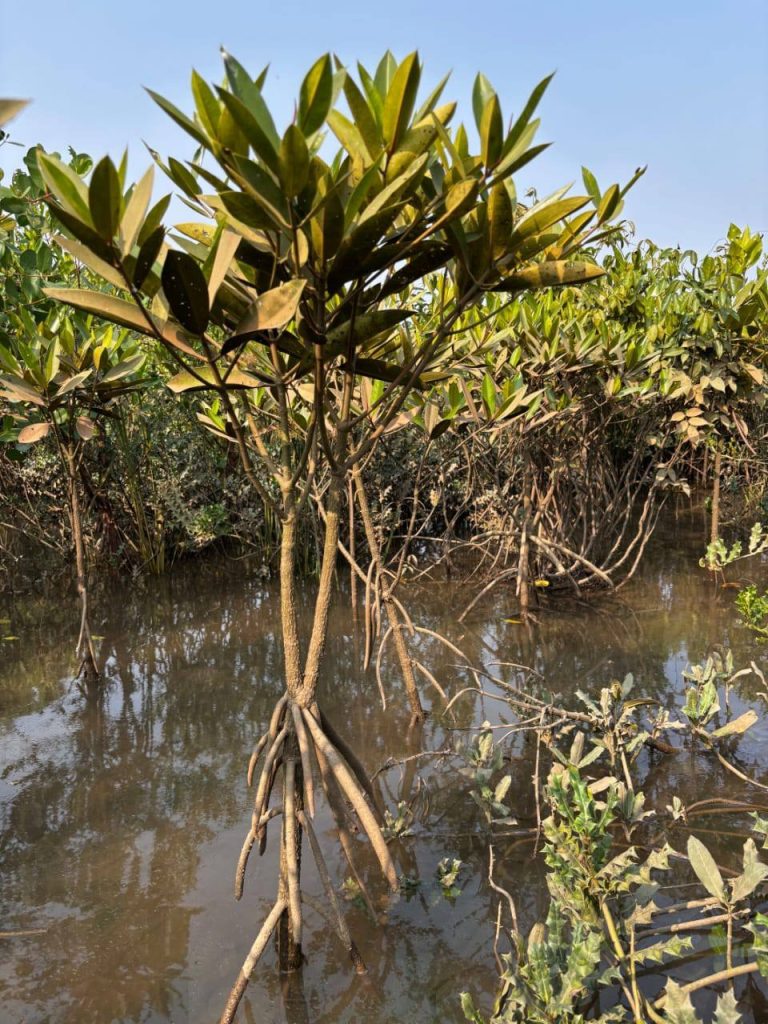
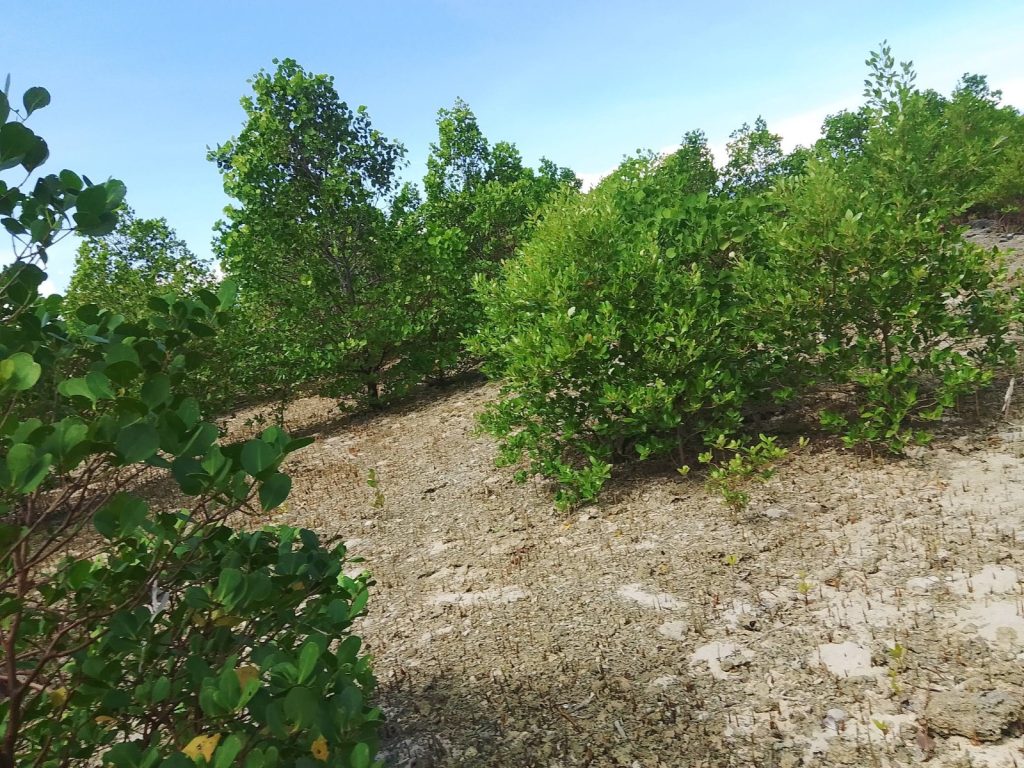
In coastal areas, preventing land erosion, ecosystem imbalance, and the gradual displacement of communities requires thoughtful planning and sustainable solutions. Among all natural measures, Mangroves stand out as the most effective and resilient protection for coastlines. They act as natural barriers against strong tides, stabilise the soil, protecting the land, restore ecological balance, and support both marine life and local livelihoods, making them one of the most beneficial and sustainable solutions for coastal protection. Mangroves are the vital and most relevant guardian the keeps the shore and coastal line and its ecology safe. Mangroves are a unique group of salt-tolerant plants that can grow and adapt on the shores, much like ocean life itself. The mangrove ecosystems are characterised by the dense, tangled above-ground root system, which stabilises the coastlines against erosion. Moreover, Mangroves help calm strong ocean waves by breaking their force before they reach the shore.
Mangrove provides the vital nutrients for marine life. They thrive in the waterlogged, nutrient-poor and high salinity soils by filtering salt through roots and excreting it through leaves. Its roots are being grown above the water, suitably structured to support against tides and wave action. Mangroves act as a natural, cost-effective bio shield against storms, floods and tidal regions, also providing critical habitat for over 1500 species, including fish, marine creatures, birds and mammals like tigers. Mangroves are highly efficient at storing carbon in soil and biomass, often exceeding the capacity of the terrestrial forests. It can also sustain coastal communities by providing wood, fish and fresh water, with about 80% of global fish catchers relying directly or indirectly on them.
Ecological and Economic Importance of Mangroves
- Coastal Protection
- Cost-efficient
- Biodiversity-rich area
- Carbon Storage
- Livelihoods
All these characteristics make mangroves ideally suited to protect and support communities living along coastal areas and shores. These communities are often exposed to extreme risks, with lives and livelihoods threatened by strong waves, flooding, and rising sea levels. By planting mangroves along vulnerable coastlines, these natural barriers can transform unstable and unsafe living conditions into safer, more resilient environments. Mangroves reduce coastal erosion, buffer tidal storms, and minimize flood impacts, offering long-term protection where engineered solutions are often costly or unsustainable.
Coastal populations are frequently forced to migrate in search of survival and income due to the uncertainty of life near unprotected shores. Mangrove restoration helps reverse this displacement by restoring ecological stability and economic security. Mangrove ecosystems support fisheries, providing breeding grounds for fish and marine species that sustain local livelihoods. They also help improve freshwater availability, supply resources such as fuelwood and materials for household use, and promote a cleaner, healthier environment for both people and other living creatures.
Beyond local benefits, mangroves play a crucial role in addressing global environmental challenges. They act as powerful carbon sinks, contributing to climate change mitigation while preserving biodiversity. By protecting coastlines and strengthening ocean-dependent communities, mangroves ensure a more sustainable and secure future for both the environment and the societies that rely on it.