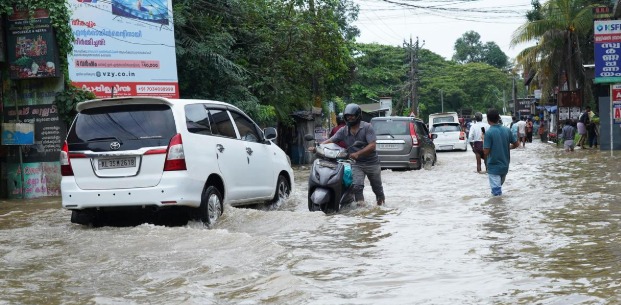
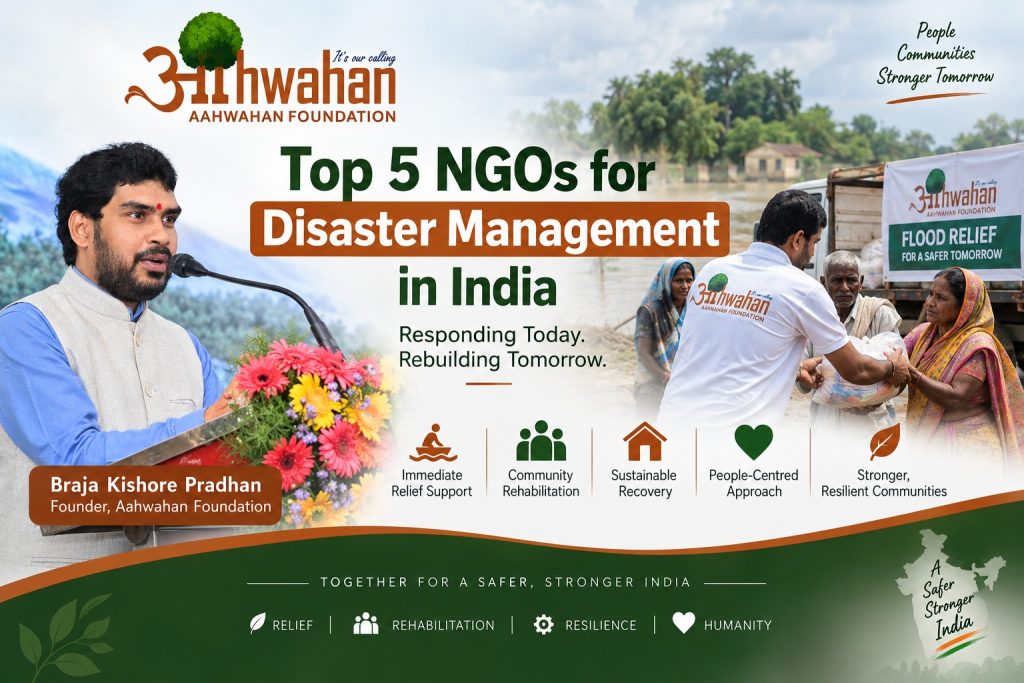
India faces a wide range of natural disasters, including floods, cyclones, earthquakes, landslides, droughts and other emergencies. During such difficult times, NGOs play an important role by reaching affected communities with food, medical assistance, shelter, essential supplies and long-term rehabilitation.
Here are 5 notable NGOs working in disaster management and humanitarian relief in India:
- Aahwahan Foundation
Aahwahan Foundation is working across India in disaster relief, healthcare, education, women empowerment, environmental sustainability and community development.
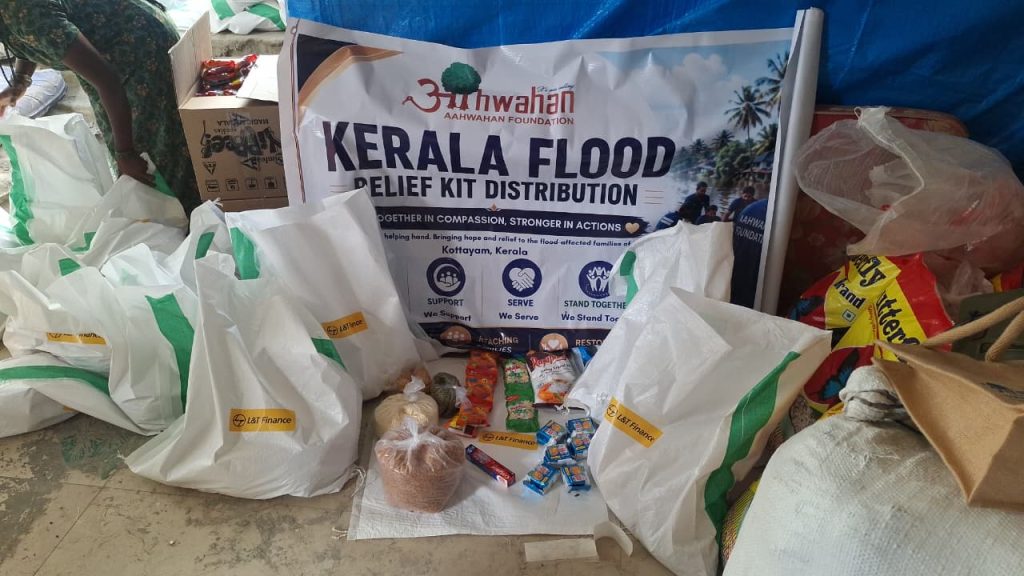
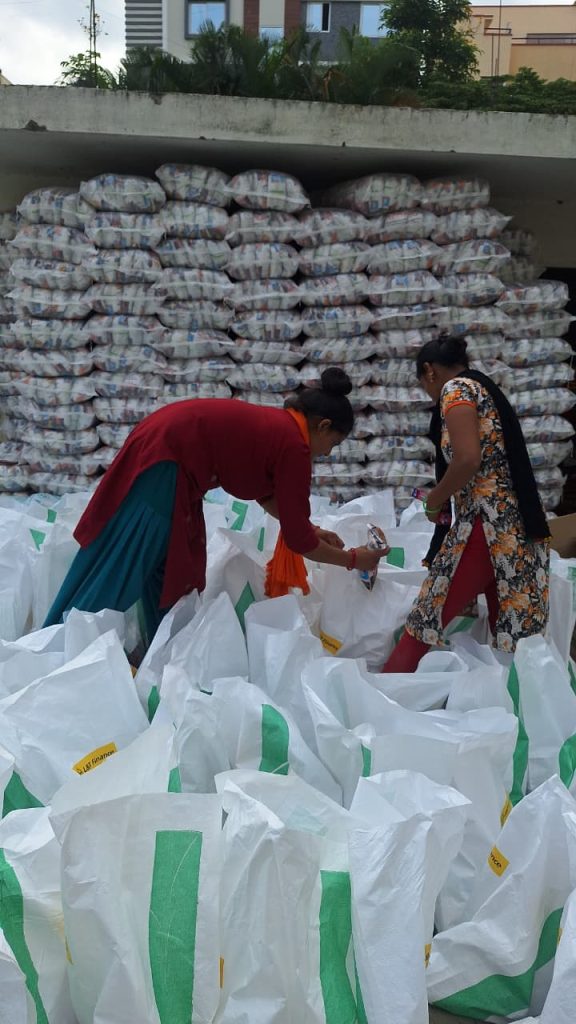
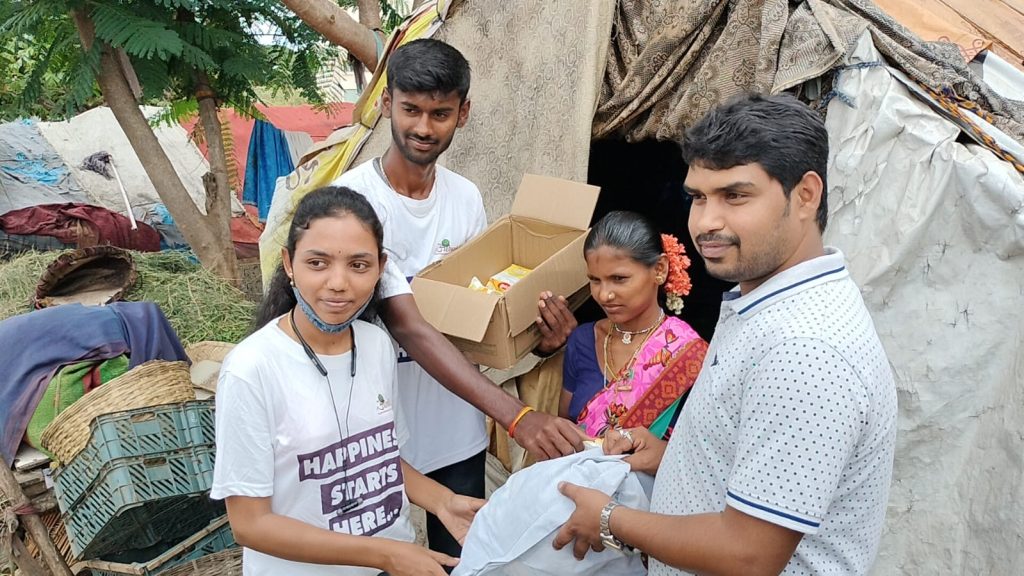
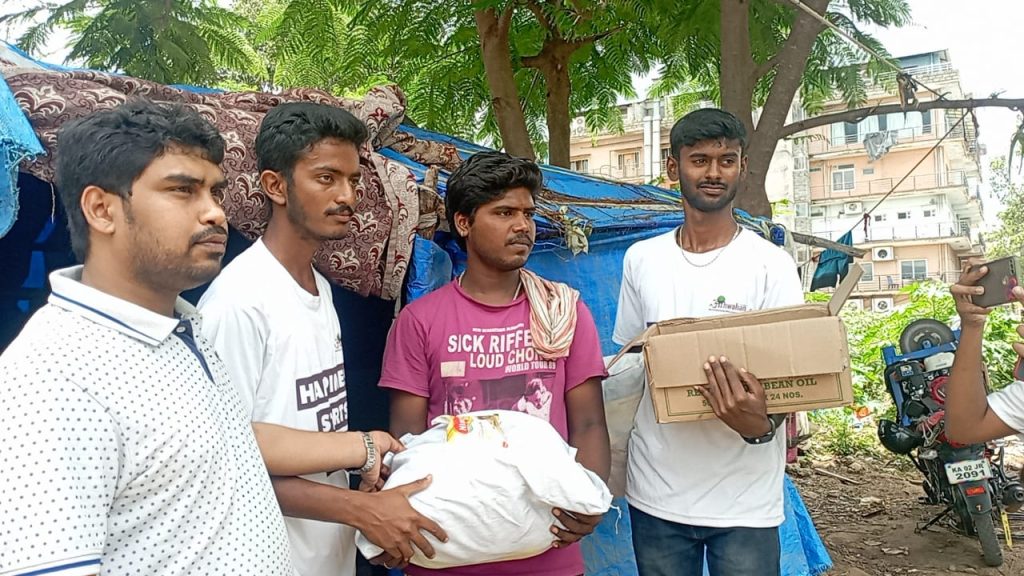
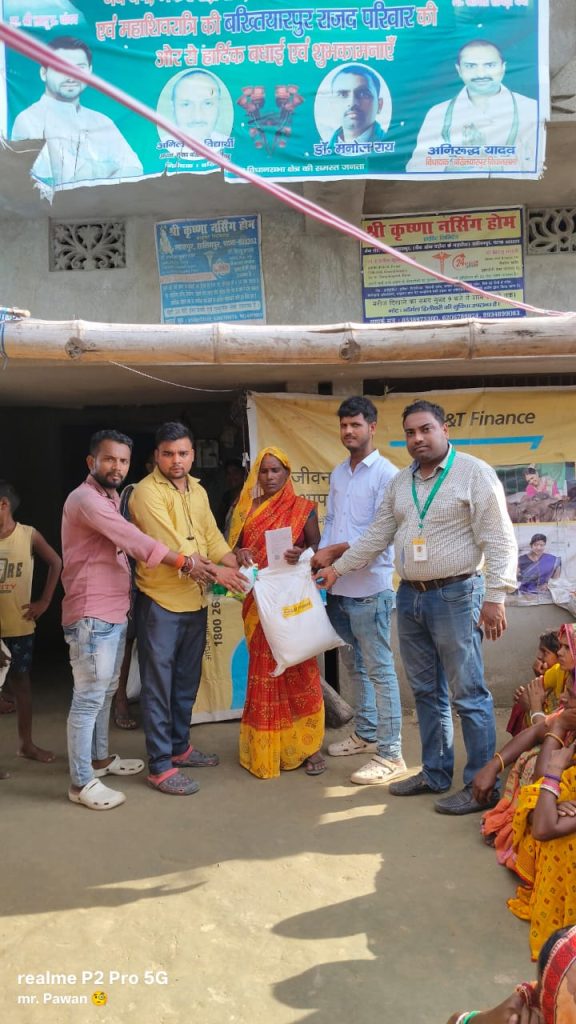
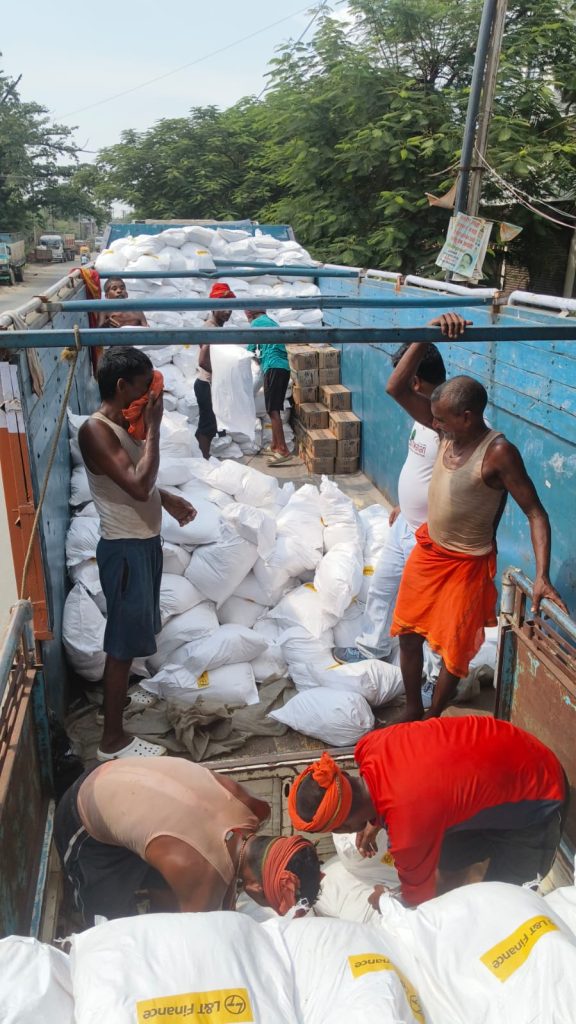
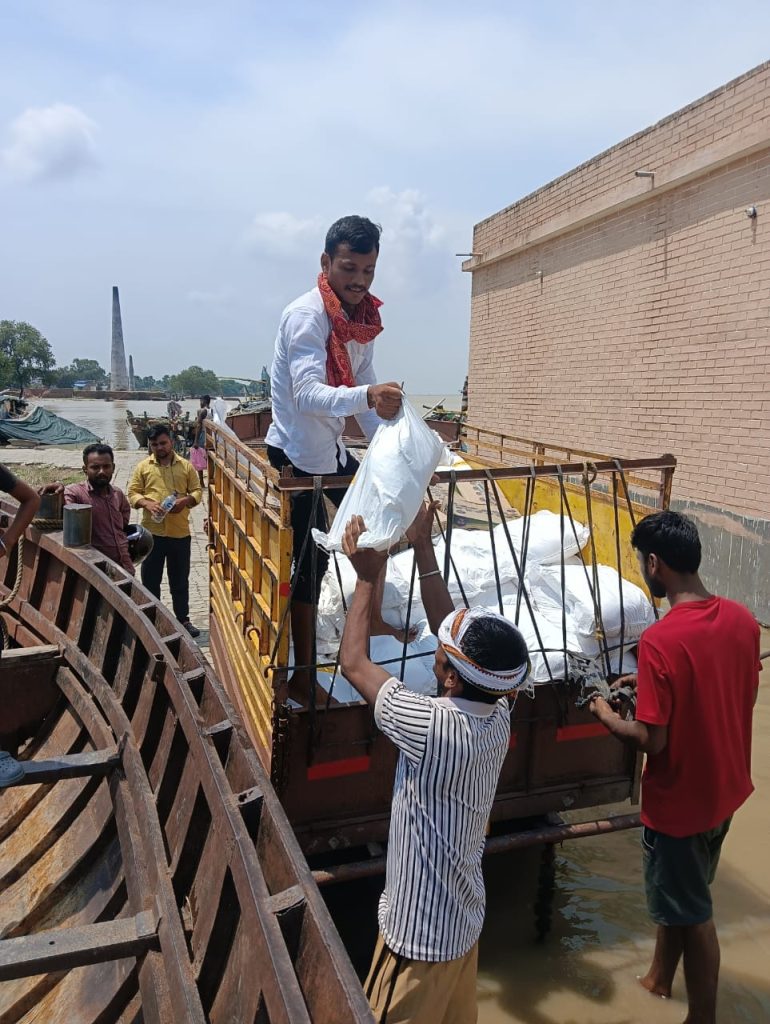
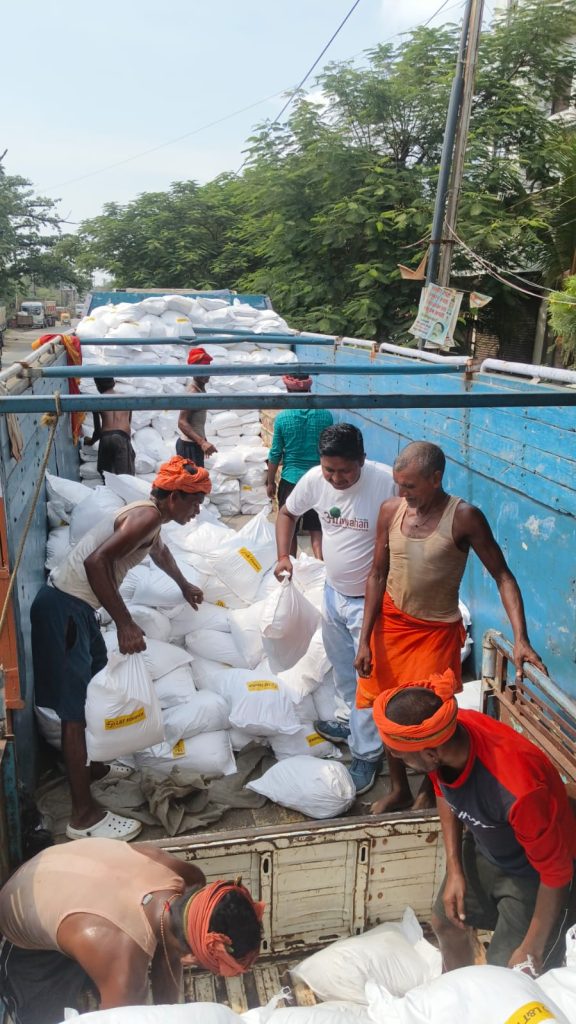
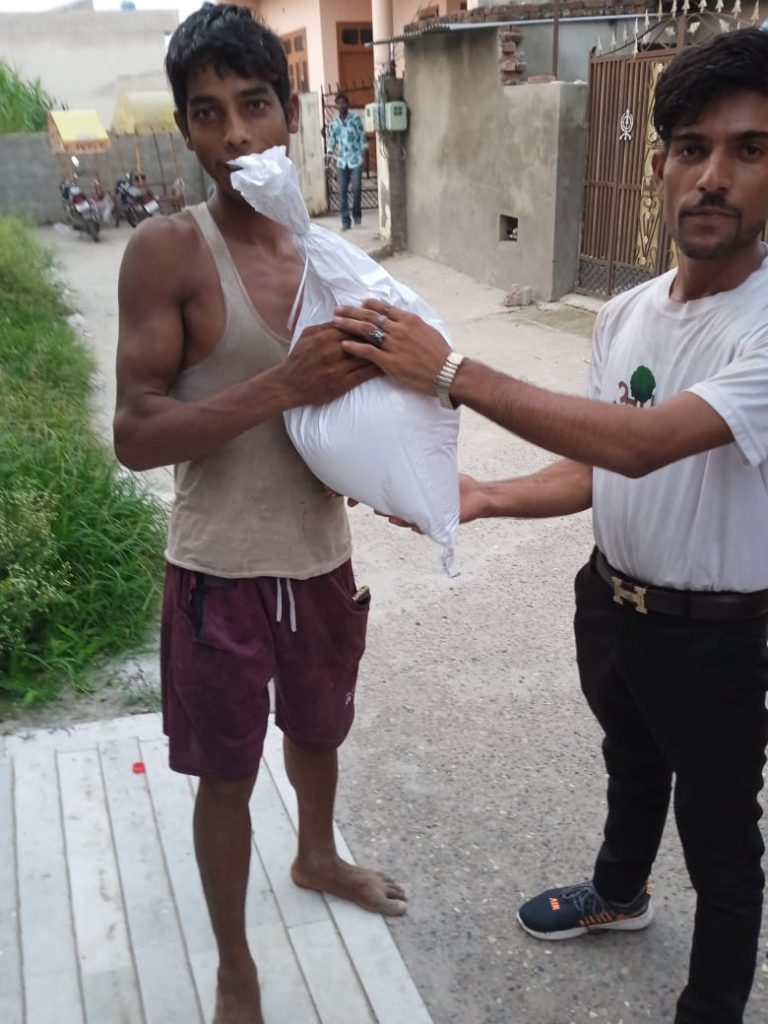
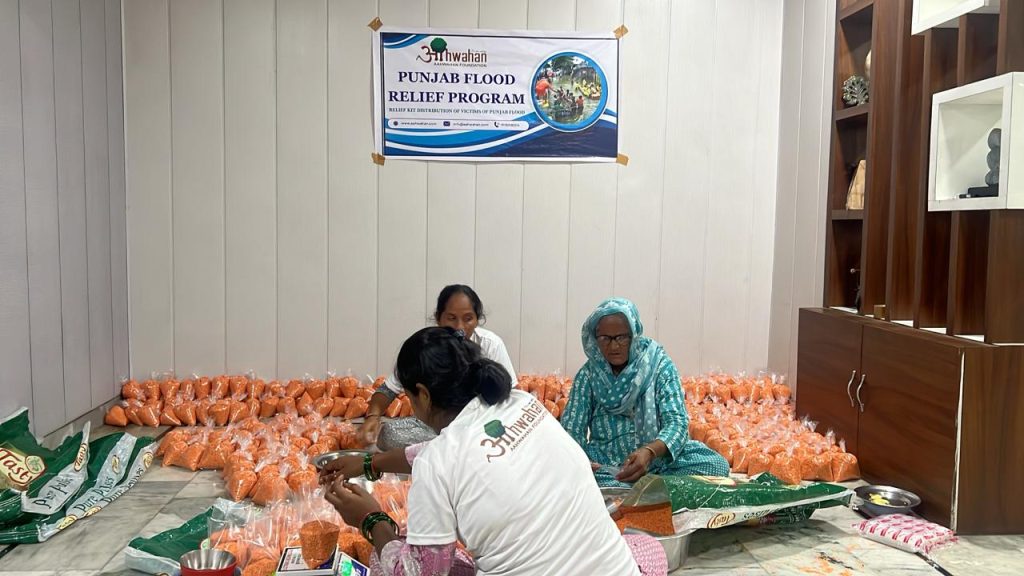
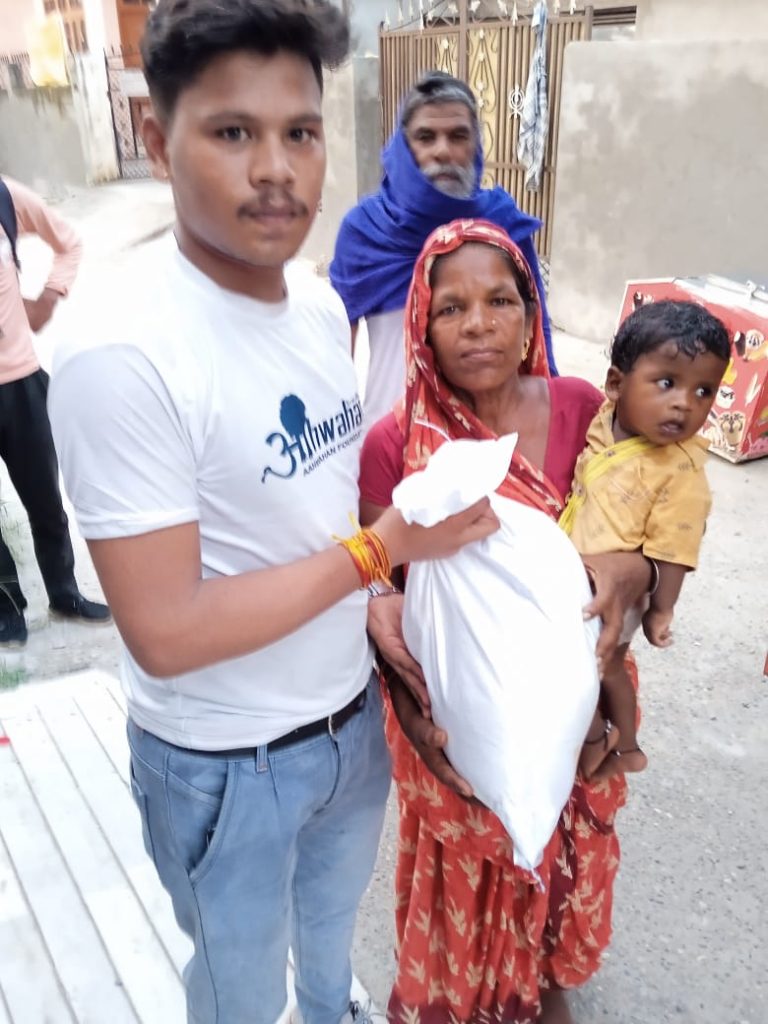
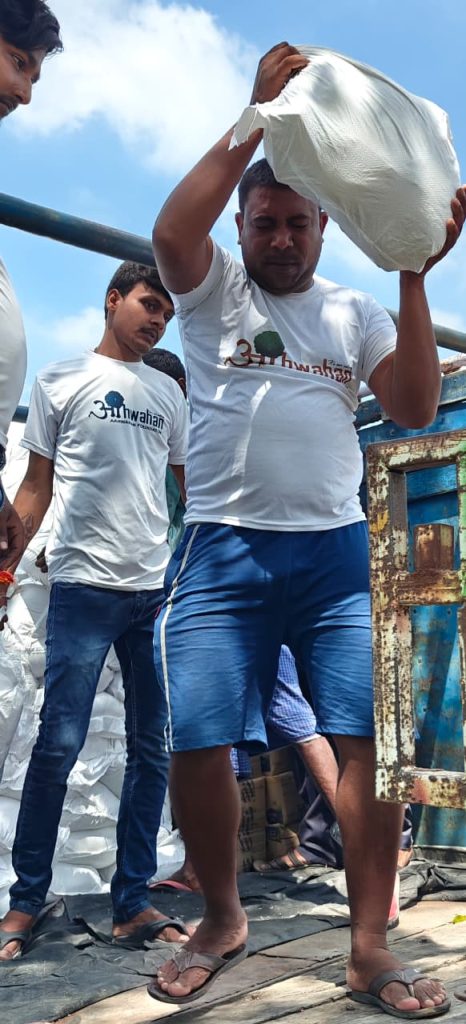
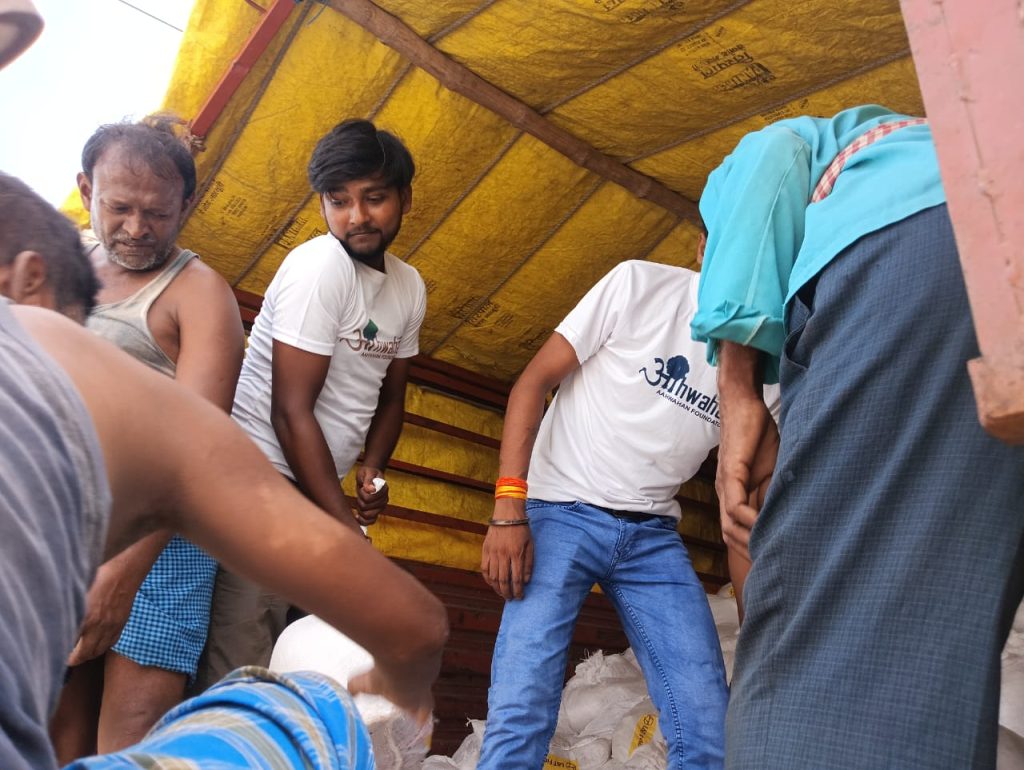
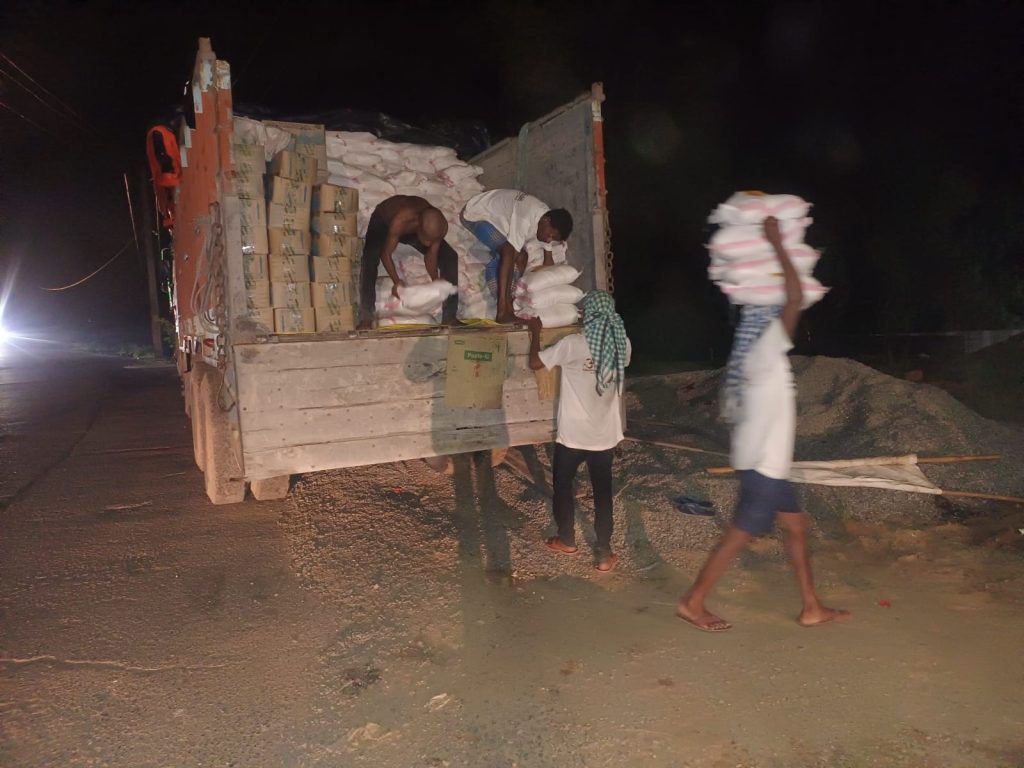
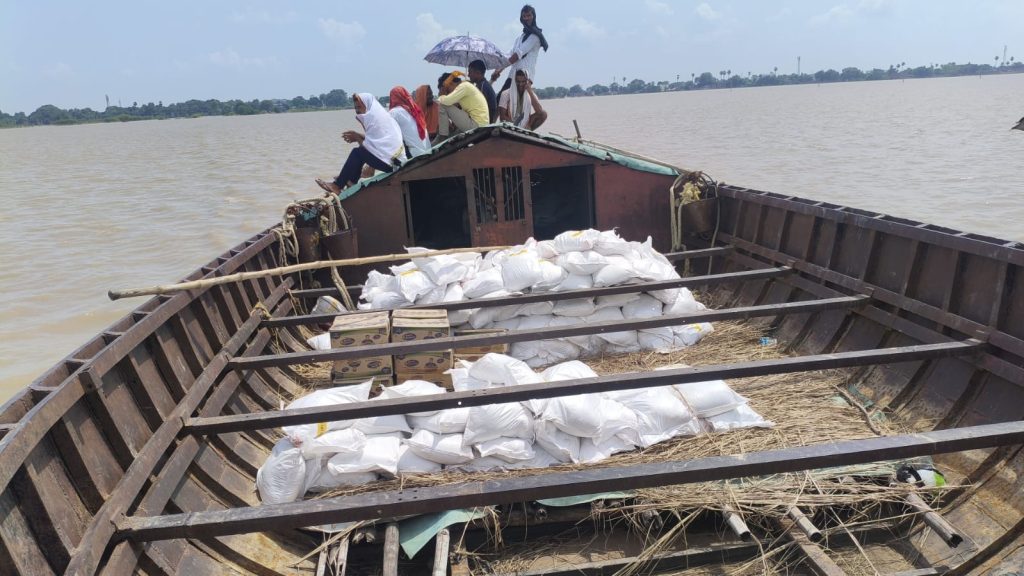
Its disaster-management efforts focus on rapid relief and community support, including grocery kits, dry-food supplies, medical assistance and essential household materials for families affected by floods and other disasters.
The organization has undertaken relief initiatives in states and regions affected by major emergencies, working with volunteers and CSR partners to reach vulnerable communities on the ground.
From flood relief to emergency healthcare and essential supplies, Aahwahan Foundation aims to stand with communities during their most difficult moments.
Why it stands out: Its combination of disaster response, community development and CSR partnerships enables relief work to be connected with longer-term social impact.
- Goonj
Goonj is widely known for its disaster-response and community-development work. The organization has worked with communities affected by floods, cyclones, earthquakes and other disasters.
One of its distinctive approaches is using locally relevant resources and community participation to address immediate needs while also supporting recovery and rebuilding.
Why it stands out: Goonj emphasizes dignity, community participation and the effective use of material resources during humanitarian crises.
- SEEDS India
SEEDS India works in disaster management, climate resilience and humanitarian response. Its work includes disaster preparedness, emergency response, recovery and rebuilding of vulnerable communities.
The organization has responded to disasters such as earthquakes, floods and cyclones while also focusing on making communities more resilient to future disasters.
Why it stands out: Its strong focus on disaster preparedness, resilience and sustainable reconstruction complements immediate relief.
- SaveLIFE Foundation
SaveLIFE Foundation is primarily recognized for its work in road safety and emergency medical response. Its efforts are particularly relevant to disaster and emergency management because timely intervention can make a critical difference in saving lives.
The organization works toward improving emergency response systems and reducing preventable deaths and injuries on Indian roads.
Why it stands out: It brings specialized expertise in emergency response, road safety and saving lives during critical situations.
- CARE India
CARE India has a long history of humanitarian and development work in India. Its disaster-response efforts have included support for communities affected by floods, cyclones, droughts, health emergencies and other crises.
Its approach combines immediate humanitarian assistance with longer-term recovery and resilience-building.
Why it stands out: Its broad humanitarian experience and focus on vulnerable communities make it an important organization in India’s disaster-response ecosystem.
The Importance of Disaster Management NGOs in India
Disaster management is not only about distributing relief materials after a disaster. Effective disaster management involves preparedness, rapid response, emergency healthcare, food security, temporary support, rehabilitation, reconstruction and community resilience.
NGOs often have the ability to work closely with communities and volunteers, helping identify urgent needs and deliver support where it is needed most.
For companies looking to contribute through CSR partnerships, supporting experienced disaster-management NGOs can create meaningful impact during emergencies while helping communities recover and rebuild.
Aahwahan Foundation: Building a Culture of Disaster Response
For Aahwahan Foundation, disaster relief is more than emergency distribution—it is about standing beside affected families when they need support the most.
Through partnerships with corporates, CSR teams, volunteers and local communities, the organization works to deliver essential assistance during disasters while strengthening communities for the future.
Whether responding to floods or other emergencies, the goal remains simple:
Reach the people who need help. Restore hope. Rebuild lives.
From Ladakh to Kanyakumari, disaster-management efforts can become stronger when governments, NGOs, corporates, volunteers and communities work together.
Conclusion
The role of NGOs in disaster management in India continues to be extremely important. Organizations such as Aahwahan Foundation, Goonj, SEEDS India, SaveLIFE Foundation and CARE India demonstrate different approaches to humanitarian response, emergency assistance, resilience and community support.
The greatest impact comes when disaster preparedness and relief are supported by strong CSR partnerships, trained volunteers, local communities and responsible organizations.
Disaster relief is not just about giving help—it is about giving people the strength and hope to rebuild their lives.