Emergency Humanitarian Assistance Across Ganjam, Malkangiri and Koraput Districts to Help Cyclone-Affected Families
Natural disasters can change lives in a matter of hours. Homes become unsafe, livelihoods are disrupted, essential supplies become difficult to access, and families face uncertainty about their future. During such challenging times, timely humanitarian assistance can make a meaningful difference.
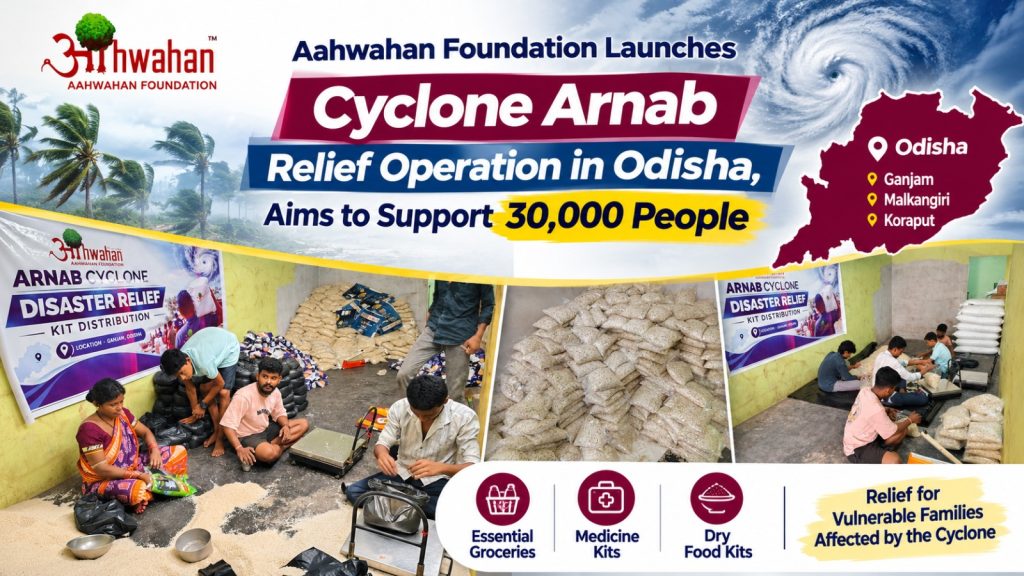
With a commitment to serving vulnerable communities, Aahwahan Foundation has launched its Cyclone Arnab Relief Operation in Odisha, aiming to reach 30,000 people across Ganjam, Malkangiri and Koraput districts.
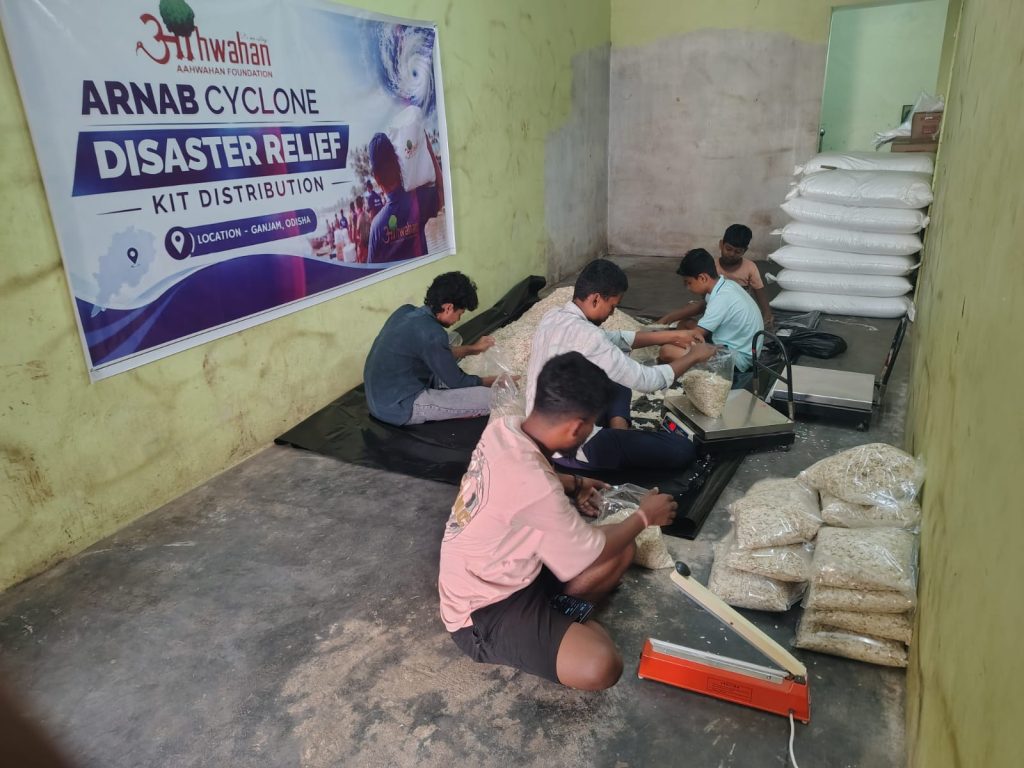
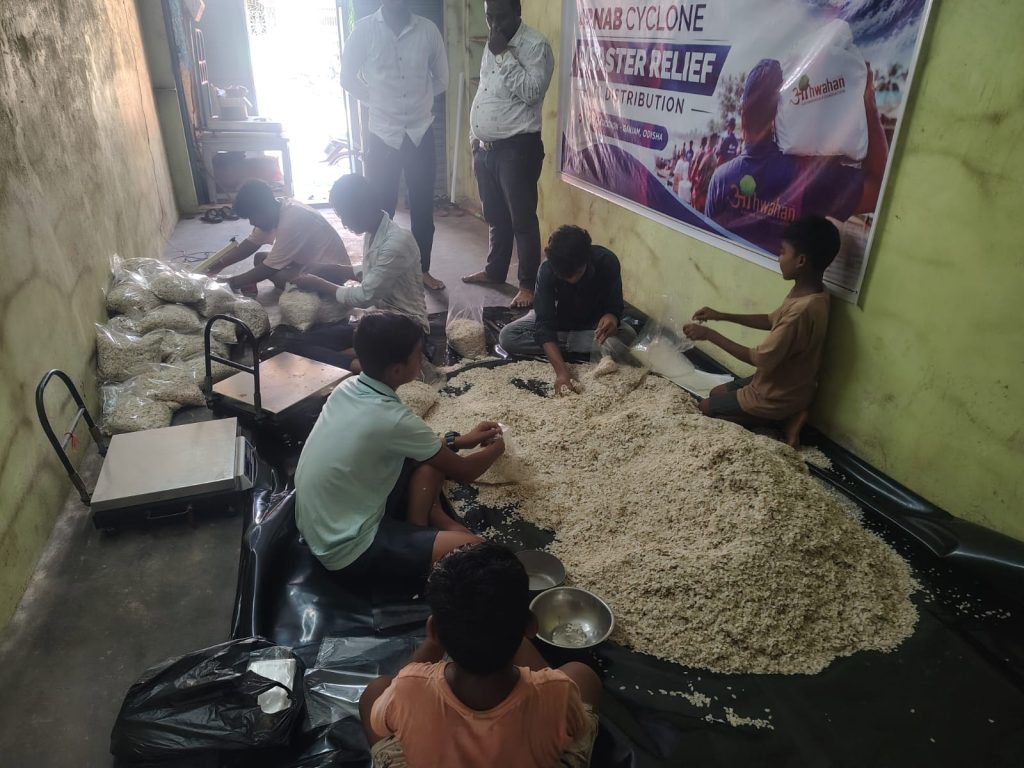
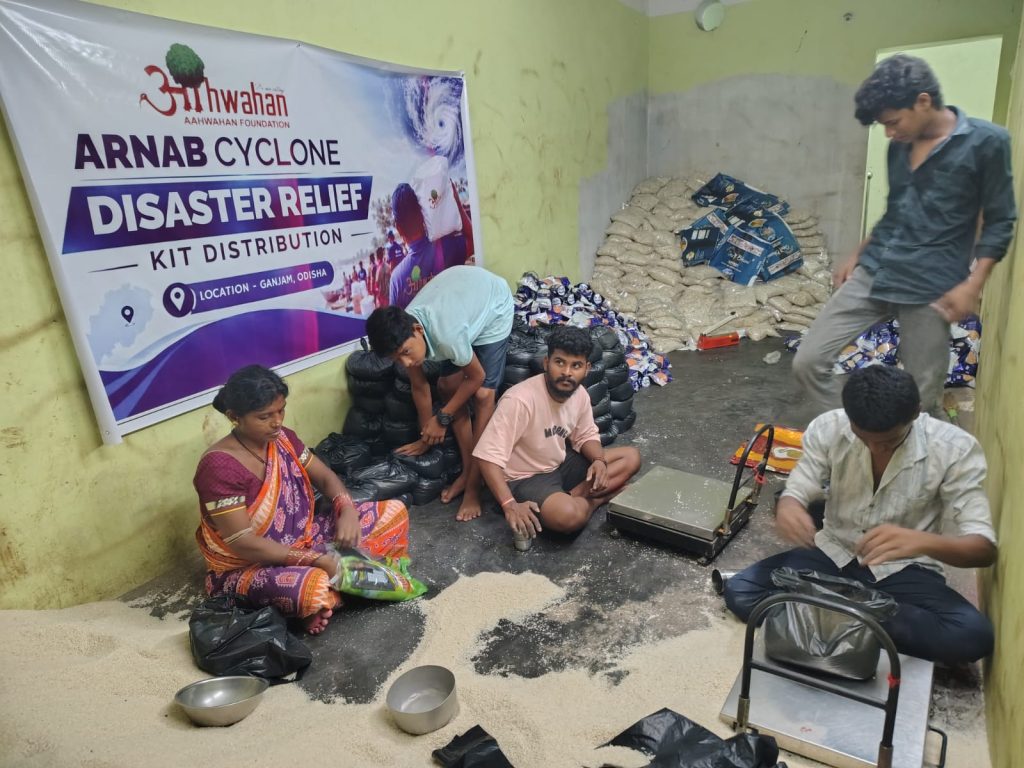
The initiative focuses on providing essential groceries, dry food kits and medicine kits to cyclone-affected families struggling to meet their basic needs.
Through this humanitarian relief effort, Aahwahan Foundation seeks to bring immediate support, hope and dignity to communities facing the consequences of the disaster.
Cyclone Relief in Odisha: Supporting Communities During a Humanitarian Crisis
Odisha’s coastal and southern districts are vulnerable to severe weather events, including cyclones, heavy rainfall and flooding. Such disasters can disrupt daily life, damage homes, affect agricultural livelihoods and interrupt access to essential services.
For economically vulnerable families, the consequences can be particularly difficult. Daily wage workers may lose income, farmers may experience crop damage, and households may struggle to obtain food, clean drinking water and basic medical supplies.
Recognising the urgent need for humanitarian assistance, Aahwahan Foundation has initiated its cyclone relief operation to support affected communities in three districts:
- Ganjam: Providing emergency relief support to vulnerable families facing disruption to their everyday lives.
- Malkangiri: Focusing on essential supplies for communities experiencing difficulties accessing basic necessities.
- Koraput: Extending humanitarian assistance to affected families, including those living in underserved and remote areas.
By concentrating on these districts, the Foundation aims to make essential relief supplies accessible to families who need them most.
Aahwahan Foundation’s Mission: Reaching 30,000 Cyclone-Affected People
At the heart of the Cyclone Arnab Relief Operation is an ambitious humanitarian goal: to provide essential assistance to 30,000 people affected by the cyclone in Odisha.
The initiative is designed to address immediate needs while supporting the well-being of families during the emergency period.
For households already facing financial hardship, a sudden disaster can make everyday necessities unaffordable or inaccessible. Even basic items such as rice, pulses, cooking oil and essential medicines can become difficult to obtain.
Aahwahan Foundation’s disaster relief initiative focuses on bridging this gap through practical, needs-based assistance.
The relief operation prioritises three important areas:
1. Essential Grocery Distribution for Affected Families
Access to adequate food is one of the most immediate concerns following a natural disaster.
Aahwahan Foundation is providing essential grocery supplies to help cyclone-affected households manage their daily food requirements.
These supplies are intended to reduce the burden on families whose livelihoods and income sources have been disrupted.
For many households, grocery assistance represents more than immediate food security. It provides reassurance that their basic needs have not been forgotten during a period of uncertainty.
2. Dry Food Kits for Immediate Emergency Relief
During cyclone emergencies, access to cooking facilities, fuel, electricity and safe storage may become limited.
Dry food kits can provide practical support to families who are temporarily unable to prepare regular meals.
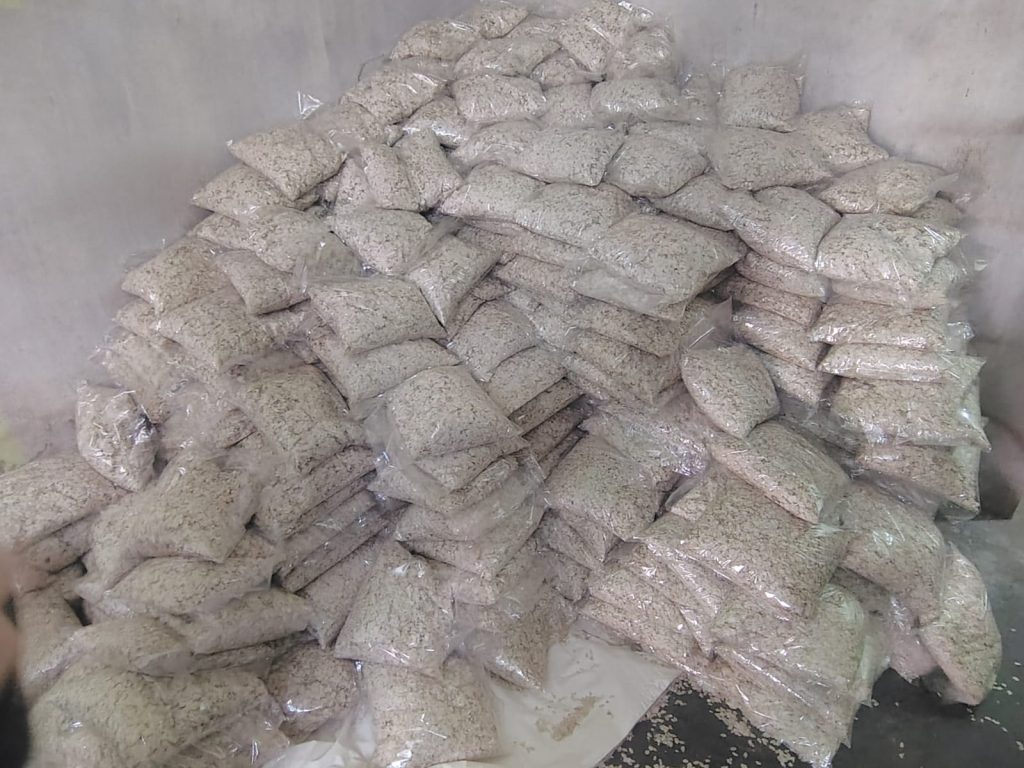
As part of its Odisha cyclone relief initiative, Aahwahan Foundation is distributing dry food kits to help affected households access essential nutrition during difficult circumstances.
This assistance is especially important for families with children, elderly members and people facing economic hardship.
3. Medicine Kits and Essential Healthcare Support
Natural disasters can create additional health-related challenges, particularly when families face difficulties accessing routine healthcare services.
Aahwahan Foundation is including medicine kits in its emergency relief efforts to help address essential health needs.
Access to appropriate medical supplies can play an important role in supporting vulnerable individuals during emergency situations.
The Foundation’s focus on essential supplies reflects its broader commitment to protecting the health, dignity and well-being of disaster-affected communities.
Why Disaster Relief Operations Are Important in Odisha
Odisha has experienced several significant cyclones over the years, demonstrating the importance of disaster preparedness, community resilience and coordinated humanitarian response.
Although government agencies and disaster management authorities play a central role in emergency response, nonprofit organisations can provide additional support by helping essential supplies reach vulnerable households.
NGOs working in disaster management in India contribute to relief efforts through food distribution, community engagement, volunteer mobilisation and humanitarian assistance.
Their involvement can be especially valuable when families require immediate help following disruptions to transportation, employment, housing and public services.
Aahwahan Foundation’s cyclone relief initiative reflects the importance of collective action in responding to humanitarian emergencies.
The organisation believes that disaster response should not be limited to providing material assistance. It should also recognise the emotional and social challenges experienced by affected communities.
Every relief kit represents an opportunity to reduce hardship and help a family move towards stability.
Reaching Vulnerable Communities in Ganjam, Malkangiri and Koraput
The impact of a natural disaster is rarely experienced equally.
Families with limited savings, insecure employment, inadequate housing or restricted access to essential services often face greater difficulties recovering from emergencies.
Aahwahan Foundation’s relief initiative seeks to support vulnerable households across the selected districts of Odisha.
Ganjam: Extending Emergency Assistance to Affected Families
Ganjam is an important district in southern Odisha, with coastal communities, agricultural livelihoods and densely populated settlements.
Extreme weather can disrupt household income, transportation and access to essential supplies.
Through its cyclone relief efforts, Aahwahan Foundation aims to assist vulnerable families in Ganjam by providing groceries, dry food and essential medicine kits.
Malkangiri: Supporting Communities Facing Access Challenges
Malkangiri includes remote and rural communities where geographical and infrastructure challenges can complicate the delivery of emergency assistance.
During severe weather events, disruptions to transport and supply networks can increase the difficulties faced by vulnerable households.
Aahwahan Foundation’s humanitarian initiative aims to help families in Malkangiri access essential relief materials and reduce the immediate burden of the disaster.
Koraput: Bringing Relief and Hope to Underserved Communities
Koraput is known for its rural landscapes, tribal communities and agricultural livelihoods.
In remote areas, access to emergency supplies can be particularly challenging when severe weather affects roads, transportation and local markets.
By including Koraput in its relief operation, Aahwahan Foundation seeks to extend humanitarian assistance to families who may face additional barriers during disaster recovery.
Beyond Emergency Relief: Helping Families Rebuild with Dignity
Disaster relief is not only about distributing supplies. It is also about recognising the dignity, resilience and needs of people facing difficult circumstances.
When families lose access to food, income or essential services, their immediate priority is survival. However, emotional reassurance, community support and a sense of security are equally important during recovery.
Aahwahan Foundation approaches humanitarian assistance with the belief that every individual deserves compassion and respect.
Its Cyclone Arnab Relief Operation aims to:
- Reduce immediate hardship through essential relief supplies.
- Support food security among vulnerable households.
- Help families access basic emergency necessities.
- Extend humanitarian assistance to underserved communities.
- Encourage community solidarity and collective responsibility.
- Contribute to the early stages of recovery following the disaster.
While long-term rehabilitation requires sustained efforts from multiple stakeholders, timely emergency relief can provide an important foundation for recovery.
The Role of NGOs in Disaster Management and Humanitarian Relief in India
India’s geographical diversity makes several regions vulnerable to cyclones, floods, landslides, droughts and other natural disasters.
Effective disaster management requires preparedness, coordination, rapid response and community participation.
Non-governmental organisations play a complementary role in supporting disaster-affected populations.
An NGO for disaster relief in India can contribute through the distribution of essential supplies, identification of vulnerable communities, mobilisation of volunteers and coordination with local stakeholders.
Aahwahan Foundation’s work in Odisha demonstrates how community-focused humanitarian initiatives can help address immediate needs during emergencies.
The Foundation’s broader commitment to social welfare reinforces its belief that meaningful change begins with action on the ground.
How CSR Partners, Donors and Volunteers Can Support Odisha Cyclone Relief
Humanitarian relief initiatives require collective participation.
Businesses, corporate social responsibility (CSR) teams, individual donors, volunteers and community organisations can contribute to disaster response efforts by supporting credible relief initiatives.
Aahwahan Foundation welcomes opportunities for responsible collaboration that can strengthen its humanitarian mission.
Corporate Social Responsibility (CSR) Partnerships NGO in Odissa
Businesses seeking to support disaster relief through CSR initiatives can explore partnerships that contribute to the provision of essential supplies and community assistance.
CSR engagement can help strengthen the scale and reach of humanitarian operations while promoting responsible corporate citizenship.
Individual Donations and Community Contributions
Individual contributions can support efforts to provide essential necessities to families experiencing hardship.
For donors who wish to make a difference, supporting transparent and accountable humanitarian programmes can be a meaningful way to participate in disaster response.
Volunteer and Community Engagement
Volunteers and community organisations can contribute through outreach, logistics, awareness campaigns and other activities coordinated with relief organisations.
Collective action helps build stronger support networks for communities recovering from emergencies.
Aahwahan Foundation: Committed to Humanitarian Service and Social Welfare
Aahwahan Foundation works towards creating positive social impact through initiatives focused on community welfare and support for vulnerable populations.
Its humanitarian approach is guided by compassion, responsibility and a commitment to meaningful action.
The Cyclone Arnab Relief Operation in Odisha represents another effort to extend essential assistance to communities facing extraordinary challenges.
With a target of reaching 30,000 people across Ganjam, Malkangiri and Koraput, the Foundation seeks to make a tangible difference through emergency grocery supplies, dry food kits and medicine kits.
The initiative reflects a simple but powerful belief: when communities face hardship, compassion must be translated into action.
Standing with Odisha: Together, We Can Help Rebuild Hope
For families affected by a cyclone, recovery begins with the assurance that they are not alone.
A grocery kit can help a household prepare its next meals. A dry food kit can provide essential support when normal routines are disrupted. Access to appropriate medical supplies can help families address immediate health needs.
These everyday necessities become especially valuable during a humanitarian emergency.
Through its cyclone relief operation, Aahwahan Foundation is working to support affected families and bring hope to communities across Odisha.
The Foundation remains committed to its goal of assisting 30,000 people and supporting those facing the difficult journey towards recovery.
Odisha needs solidarity, compassion and meaningful support. Together, we can help affected families move towards a safer and more hopeful future.
Support Aahwahan Foundation’s Odisha Cyclone Relief Initiative
Be part of a humanitarian effort focused on providing essential relief to cyclone-affected families.
Whether through donations, CSR partnerships, volunteering or spreading awareness, your support can help strengthen relief efforts.
Stand with Odisha. Support affected families. Help restore hope.
To learn more about Aahwahan Foundation’s disaster relief initiatives and opportunities to contribute, visit the Foundation’s official website.
1. What is Aahwahan Foundation’s Cyclone Arnab Relief Operation?
The Cyclone Arnab Relief Operation is a humanitarian initiative announced by Aahwahan Foundation to provide essential groceries, dry food kits and medicine kits to cyclone-affected families in Odisha.
2. How many people does Aahwahan Foundation aim to support?
Aahwahan Foundation aims to reach 30,000 people through its cyclone relief operation in Odisha. This figure represents the initiative’s target, not a confirmed number of beneficiaries already reached.
3. Which districts are covered under the Odisha cyclone relief initiative?
The initiative focuses on three districts of Odisha: Ganjam, Malkangiri and Koraput.
4. What relief materials is Aahwahan Foundation providing?
The Foundation’s announced relief assistance includes essential grocery supplies, dry food kits and medicine kits intended to help vulnerable households meet immediate needs.
5. Why is emergency food assistance important after a cyclone?
Cyclones can disrupt employment, transport, markets and access to cooking facilities. Emergency food assistance helps affected families meet essential nutritional needs during these disruptions.
6. What role do NGOs play in cyclone disaster management in India?
NGOs can complement government disaster response by distributing relief materials, supporting vulnerable communities, mobilising volunteers and contributing to recovery efforts.
7. How can corporate organisations support cyclone relief in Odisha?
Corporate organisations can explore CSR partnerships with eligible humanitarian organisations to support emergency supplies, community assistance and disaster recovery initiatives, subject to applicable CSR requirements.
8. How can individuals support Aahwahan Foundation’s relief initiatives?
Individuals can contact Aahwahan Foundation through its official channels to enquire about verified donation opportunities, volunteering and other ways to support its humanitarian programmes.
