
Empowering Students Through Gender Equality Awareness, LGBTQIA+ Inclusion, Diversity Education and Respect for All
Education is not just about academic excellence; it is also about developing empathy, understanding diversity, respecting individual differences and creating a society where everyone feels valued.
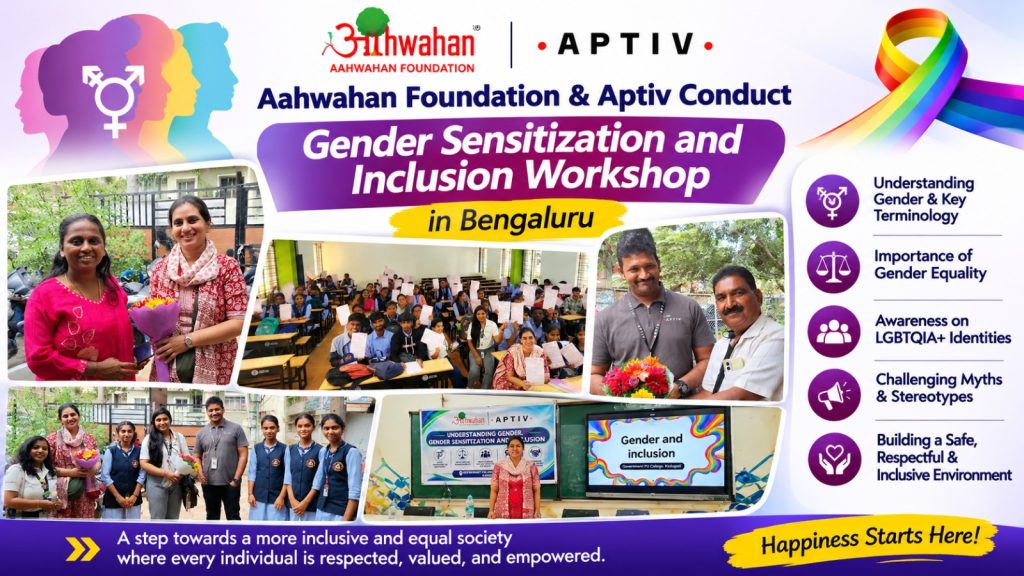
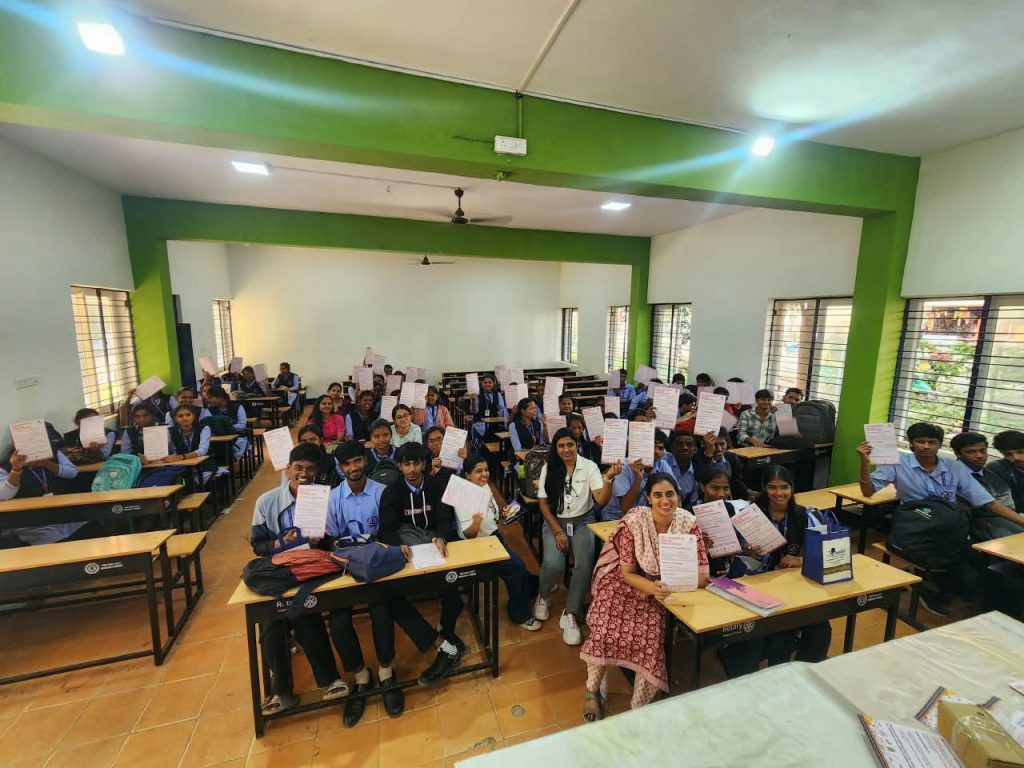
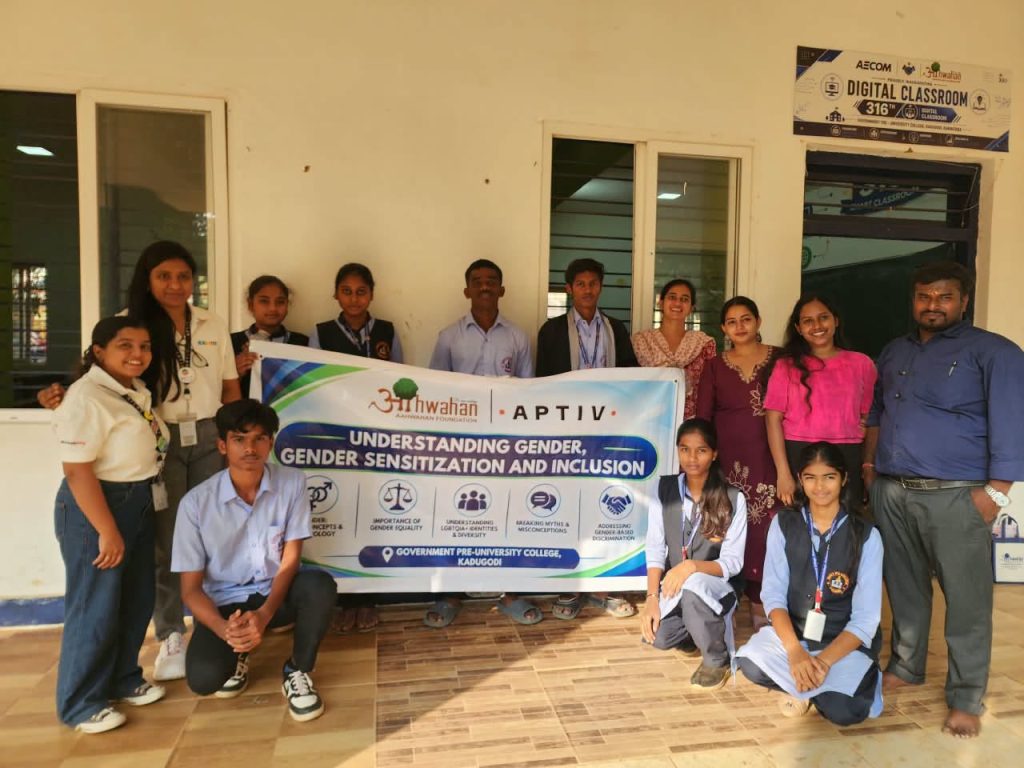
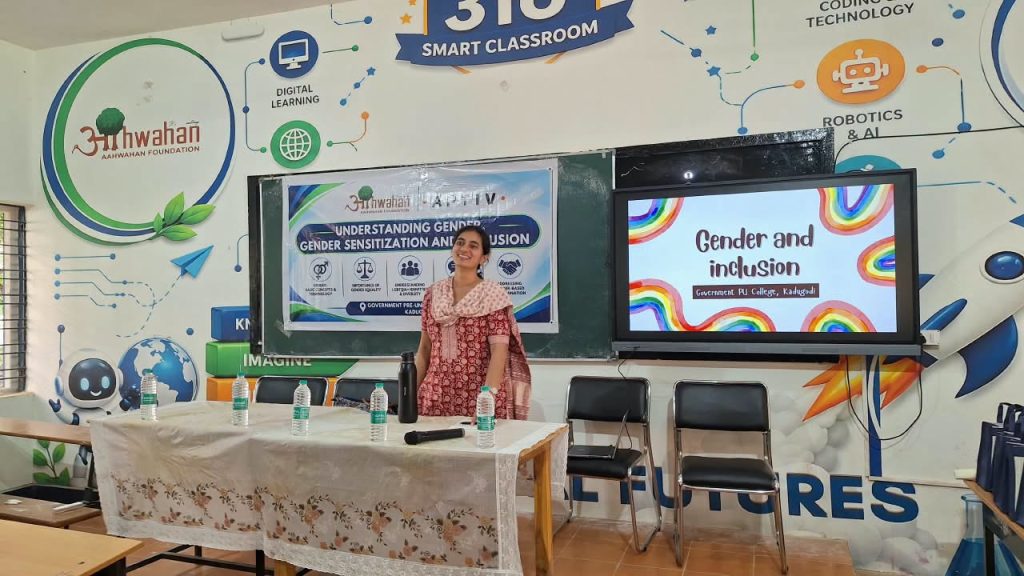
Taking a meaningful step towards building a more inclusive future, Aahwahan Foundation, in collaboration with Aptiv, organized a Gender Sensitization and Inclusion Workshop at Kadugudi PU College in Bengaluru, Karnataka.
The workshop, titled “Understanding Gender, Gender Sensitization and Inclusion,” aimed to raise awareness among students about gender equality, gender identity, LGBTQIA+ inclusion, discrimination and the importance of mutual respect.
Through interactive discussions and awareness activities, the initiative encouraged young minds to challenge stereotypes, understand social differences and contribute towards creating a safe, respectful and inclusive environment.
Promoting Gender Equality and Inclusion Through Education
Gender equality is an essential foundation of a fair, progressive and inclusive society. However, stereotypes, misconceptions and discriminatory attitudes can influence how individuals perceive and interact with others.
Recognizing the importance of addressing these challenges at an early age, Aahwahan Foundation and Aptiv designed the workshop to help students develop a better understanding of gender-related issues.
The session introduced students to fundamental concepts of gender, identity, equality and inclusion, encouraging them to think beyond traditional assumptions.
The workshop emphasized that every individual deserves equal opportunities, dignity and respect, regardless of gender identity or sexual orientation.
By encouraging open conversations, the initiative aimed to create greater awareness and promote positive attitudes towards diversity.
Understanding Gender, Gender Identity and Gender Sensitization
One of the key objectives of the workshop was to introduce students to important gender-related concepts and terminology.
Understanding these concepts helps young people develop awareness of the diverse experiences and identities present in society.
The session explored several important topics:
1. Understanding Gender and Gender Identity
Students were introduced to the differences between biological sex, gender identity, gender expression and socially constructed gender roles.
The discussions helped participants understand that gender identity refers to an individual’s internal sense of gender, while gender expression relates to how a person presents themselves.
By learning these distinctions, students were encouraged to respect individual identities and avoid making assumptions based on appearance or traditional expectations.
2. Importance of Gender Equality in Society
Gender equality means ensuring that individuals have equal rights, opportunities and access to resources, regardless of gender.
The workshop highlighted the importance of equality in education, employment, family life and everyday social interactions.
Students were encouraged to recognize how gender stereotypes can limit opportunities and influence people’s choices.
The session reinforced the importance of treating everyone fairly and creating an environment where individuals can pursue their aspirations without discrimination.
3. Gender Sensitization and Breaking Stereotypes
Gender sensitization involves developing awareness of gender-based inequalities, biases and discriminatory behaviors.
During the workshop, students explored common stereotypes and misconceptions associated with gender roles.
The discussions encouraged participants to question beliefs that restrict individuals based on gender and to adopt a more inclusive perspective.
By challenging stereotypes, students can contribute to healthier relationships, respectful communication and a more equitable society.
Creating Awareness About LGBTQIA+ Identities and Inclusion
An important component of the Gender Sensitization Workshop in Bengaluru was raising awareness about LGBTQIA+ identities and the importance of acceptance and inclusion.
LGBTQIA+ is an umbrella term representing lesbian, gay, bisexual, transgender, queer or questioning, intersex, asexual and other diverse identities.
The workshop introduced students to the importance of understanding sexual orientation and gender identity without prejudice or discrimination.
Discussions focused on:
- Understanding LGBTQIA+ identities and terminology.
- Recognizing common myths and misconceptions.
- Respecting individual differences and personal identities.
- Understanding discrimination based on gender identity and sexual orientation.
- Encouraging empathy, acceptance and respectful communication.
- Creating safer and more inclusive educational environments.
The initiative emphasized that respect and dignity are fundamental human values.
By encouraging students to approach diversity with understanding rather than judgment, the workshop sought to foster a culture of inclusion.
Addressing Gender Discrimination and Social Misconceptions
Discrimination based on gender identity or sexual orientation can negatively affect an individual’s confidence, mental well-being, educational experience and sense of belonging.
Educational institutions play an important role in addressing such challenges by encouraging awareness, empathy and respectful behavior.
During the workshop at Kadugudi PU College, students explored how stereotypes and misconceptions can contribute to discrimination.
The discussions highlighted the importance of recognizing harmful attitudes and understanding their consequences.
Students were encouraged to reflect on how everyday language, behavior and assumptions can affect others.
By promoting thoughtful conversations, the initiative aimed to encourage young people to become more responsible, compassionate and inclusive members of society.
Interactive Learning: Encouraging Students to Challenge Stereotypes
One of the important aspects of the workshop was its emphasis on meaningful discussions and awareness activities.
Rather than focusing only on theoretical concepts, the initiative encouraged students to engage with real-world social issues.
The interactive approach helped create opportunities for participants to reflect on their own understanding of equality, diversity and inclusion.
Students were encouraged to consider how they could contribute to positive change within their classrooms, families and communities.
Such educational initiatives can help young people develop essential life skills, including empathy, critical thinking, respectful communication and social responsibility.
Building Safe and Inclusive Educational Environments
Schools and colleges are important spaces where young people develop their attitudes, values and understanding of society.
An inclusive educational environment allows students to feel respected, supported and comfortable expressing themselves.
The workshop highlighted the importance of creating spaces where discrimination, bullying and exclusion are discouraged.
A safe and inclusive learning environment can help students:
- Develop confidence and a sense of belonging.
- Build positive relationships with peers.
- Understand and respect different perspectives.
- Recognize the importance of equality and fairness.
- Respond more thoughtfully to stereotypes and discriminatory behavior.
- Contribute to a supportive campus culture.
Through this initiative, Aahwahan Foundation and Aptiv reinforced the message that inclusion begins with awareness, understanding and everyday actions.
Aahwahan Foundation and Aptiv: Collaborating for Social Impact
Corporate and nonprofit partnerships can play a valuable role in addressing social challenges through education and community engagement.
The collaboration between Aahwahan Foundation and Aptiv demonstrates how organizations can work together to promote awareness about gender equality, diversity and inclusion.
By organizing the workshop at Kadugudi PU College, Bengaluru, both organizations contributed to an educational initiative focused on helping students become more socially aware and empathetic.
Such partnerships also highlight the potential of corporate social responsibility initiatives to support inclusive education and community development.
Beyond traditional academic learning, awareness programs can encourage young people to understand their responsibilities towards others and contribute to positive social change.
Why Gender Sensitization Workshops Matter for India’s Youth
India’s young population plays an important role in shaping the country’s social and economic future.
Promoting gender equality and inclusion among students can contribute to a society that values diversity and provides fair opportunities for all.
Gender sensitization workshops help address important issues that may not always receive sufficient attention in conventional classroom discussions.
These initiatives can encourage students to recognize unconscious biases, challenge restrictive stereotypes and develop a deeper understanding of human dignity.
Early awareness is particularly valuable because attitudes formed during adolescence can influence behavior, relationships and decision-making later in life.
By creating opportunities for open and respectful discussion, educational institutions and nonprofit organizations can contribute to long-term social awareness.
Empowering Young Minds to Become Advocates for Equality
Creating an inclusive society requires more than policies and awareness campaigns. It also requires individuals who are willing to practice equality and respect in their daily lives.
The Gender Sensitization and Inclusion Workshop encouraged students to understand that even small actions can make a meaningful difference.
Using respectful language, avoiding stereotypes, supporting peers and speaking against discrimination are all ways individuals can contribute to a more inclusive environment.
The initiative aimed to inspire students to carry these values beyond the classroom and apply them in their communities.
When young people develop empathy and respect for diversity, they can become positive influences within society.
Aahwahan Foundation’s Commitment to Inclusive Education and Community Development
Aahwahan Foundation believes that meaningful social development begins with awareness, education and equal opportunities.
Through community-focused initiatives and collaborations, the Foundation works towards supporting vulnerable communities and encouraging positive social change.
The Gender Sensitization and Inclusion Workshop at Kadugudi PU College reflects its commitment to promoting dignity, equality and respect.
By collaborating with Aptiv, the Foundation continues to demonstrate the importance of partnerships in addressing social issues and encouraging responsible citizenship.
The initiative serves as a reminder that education can be a powerful tool for breaking stereotypes and building understanding across communities.
Together Towards a More Equal and Inclusive Society
Every individual deserves to be treated with dignity, fairness and respect.
The Gender Sensitization and Inclusion Workshop organized by Aahwahan Foundation and Aptiv at Kadugudi PU College, Bengaluru, represents a meaningful effort towards promoting these values among young people.
Through discussions on gender equality, LGBTQIA+ awareness, discrimination and social inclusion, the workshop encouraged students to think critically, challenge misconceptions and embrace diversity.
Together, Aahwahan Foundation and Aptiv remain committed to building a society where every individual is respected, valued and empowered, regardless of gender identity or sexual orientation.
Because a more inclusive future begins with awareness, grows through empathy and becomes possible through collective action.
Aahwahan Foundation – Happiness Starts Here!
Frequently Asked Questions (FAQs)
What was the purpose of the Gender Sensitization Workshop in Bengaluru?
The workshop aimed to educate students about gender equality, gender identity, LGBTQIA+ inclusion, discrimination and the importance of creating respectful and inclusive environments.
Who organized the Gender Sensitization and Inclusion Workshop?
The workshop was organized by Aahwahan Foundation in collaboration with Aptiv.
Where was the workshop conducted?
The workshop took place at Kadugudi PU College in Bengaluru, Karnataka.
What topics were covered during the workshop?
The session covered basic gender concepts and terminology, gender equality, LGBTQIA+ identities, common stereotypes, discrimination based on gender identity and sexual orientation, and the importance of inclusion.
Why is gender sensitization important for students?
Gender sensitization helps students recognize stereotypes, understand diversity, develop empathy and contribute to safer and more respectful educational environments.
How do gender sensitization workshops promote LGBTQIA+ inclusion?
These workshops can improve awareness of diverse identities, address misconceptions and encourage respectful attitudes towards people of different gender identities and sexual orientations.
How can CSR partnerships support gender equality education?
CSR partnerships can support educational awareness initiatives, community engagement and programs that promote equality, diversity and inclusion, subject to applicable CSR eligibility requirements.
