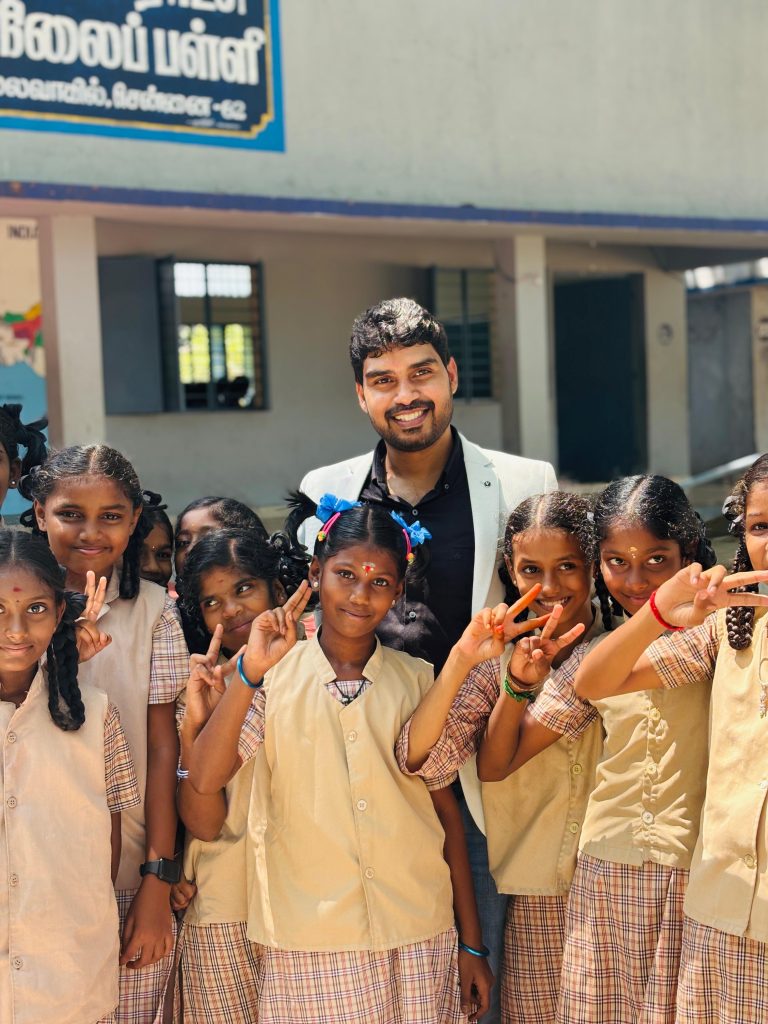
Government schools provide essential access to education for children who are looking to different socio-economic strata. In Gurgaon, the pace of urbanisation has provided new possibilities. But, it has been seen that the schools that are catering to disadvantaged communities may require further assistance in terms of infrastructural improvements, digital learning, teacher training, student health, and career guidance.
In the case of Haryana state, the education system itself sees CSR and NGO collaboration as important spheres for enhancing school education. In particular, there are targeted programmes in Haryana on CSR and PPP in school education, ICT and digital education, vocational education, inclusive education, and Vidyanjali volunteers’ participation.
Why NGO Collaborations Are Important for Government Schools
While government schools already function within the public Education Initiatives system, the role of NGOs lies in assisting with some specific programmes and resources.
The possible areas of assistance include:
- Improving the infrastructure of classrooms
- Introduction of digital education
- Teacher training
- STEM education
- Student health and nutrition
- Development of life and career skills
- Sanitisation of schools
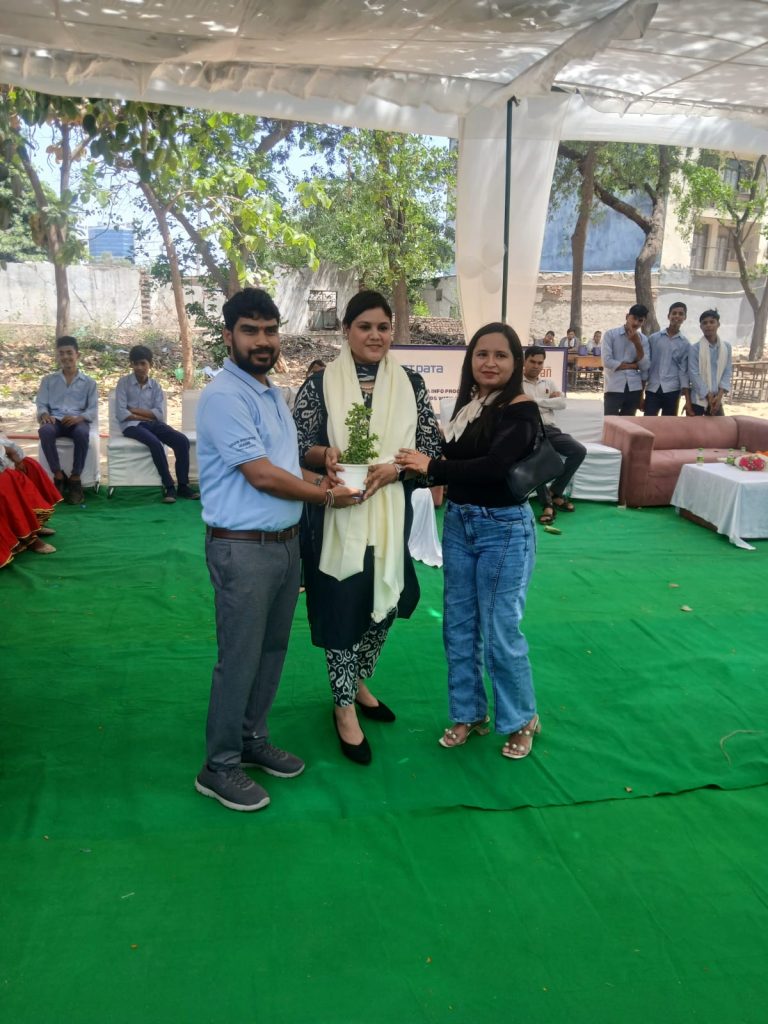
- Community engagement
- Provision of additional learning resources
The goal here is not substitution but enhancement of the educational system.
1. Improving School Infrastructure
Infrastructure is one such area where partnerships between NGO and CSR can bring about change.
Some projects can include:
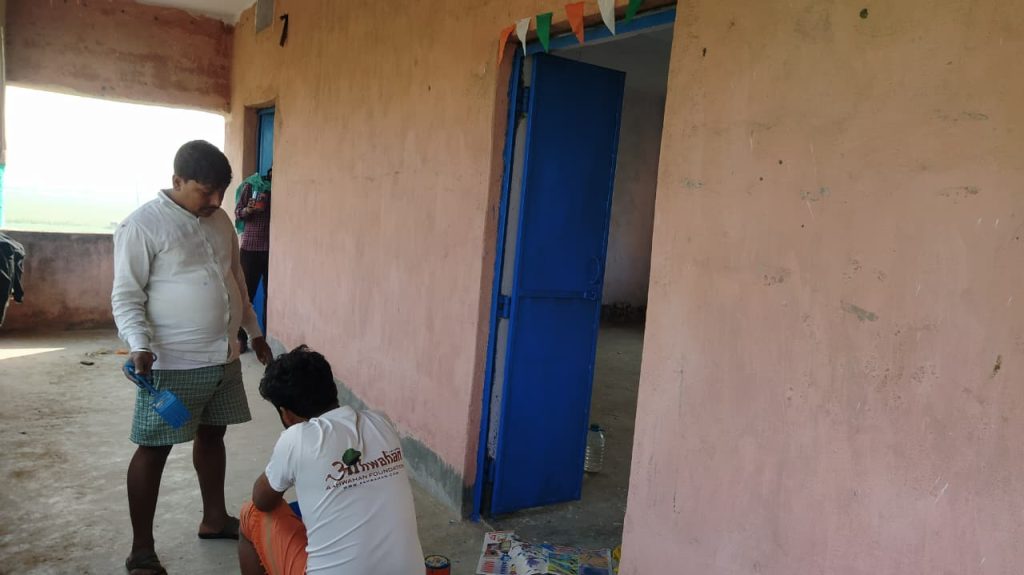
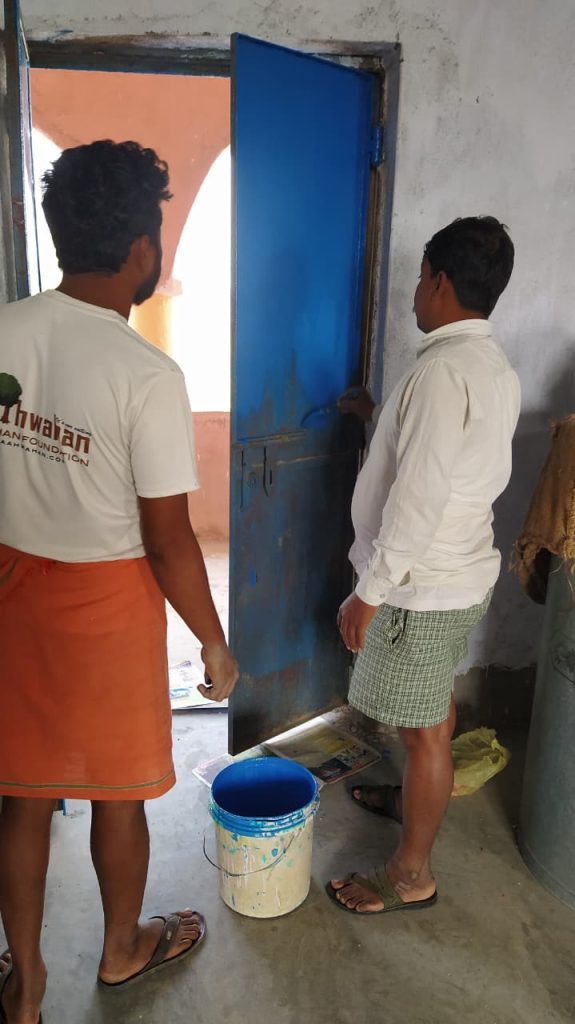
- Retrofitting classrooms
- Libraries
- Computer laboratory
- Science laboratory
- Functioning toilets
- Water facility
- Boundary walls
- Furniture
- Sports facility
- Digitized classrooms
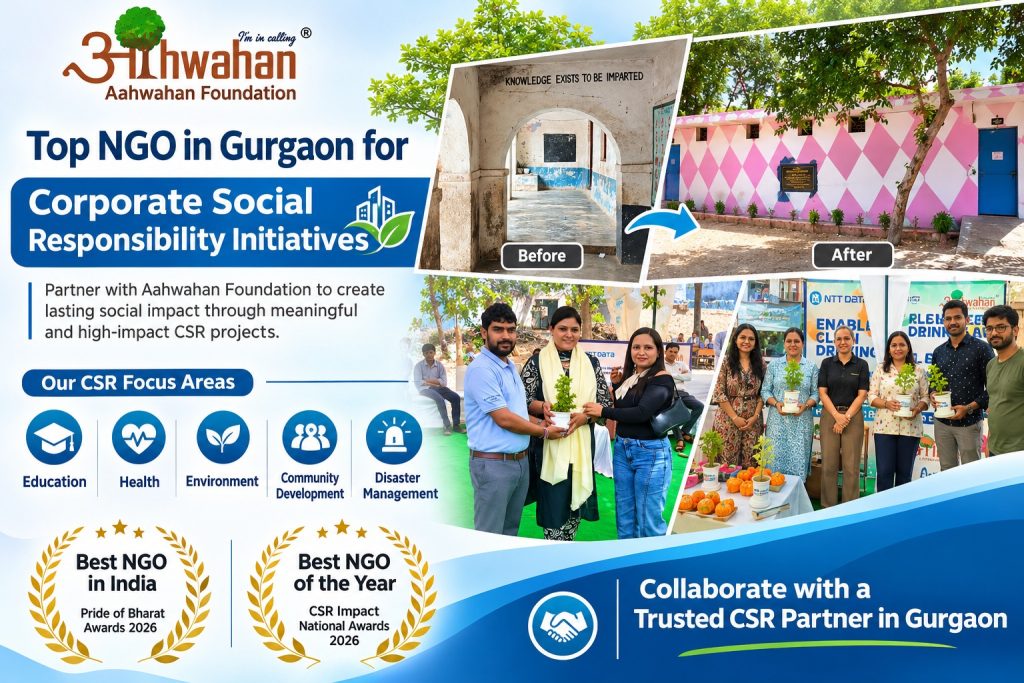
Examples of these sorts of collaborations exist in Gurgaon. One such case was the government-school transformation project in Basai, which involved collaboration between the school’s administration, NGOs and corporate CSR efforts to upgrade the infrastructure, including science and computer laboratories, water facility, toilets, classrooms and other infrastructure. This model was later used in some other government schools.
2. Digital Learning Programmes
Technology can help students gain access to education through means that would otherwise be hard to get.
Some NGO and CSR projects can include:
- Smart classrooms
- Computer learning
- Digital learning platforms
- Internet enabled learning
- Interactive teaching tools
- Coding and technology courses
- Digital literacy
Through one RITES CSR programme, 100 smart classrooms were established in 58 government schools in Gurugram, Nuh, and Jalaun. This programme particularly targeted those schools that did not have any digital infrastructure.
Digital learning can make classroom learning interactive and help students gain skills required for higher education and employment.
3. Improving Classroom Learning
Just infrastructure is not enough to revolutionize education. Students also require good teaching methods and interesting learning experience.
NGOs may aid schools in:
- Activity-based learning
- STEM education
- Experiential learning
- Remedial education
- Language development
- Computer education
- Art and cultural activities
- Life-skills programmes
For instance, Pragati Gurgaon claims that its programme in government schools combines experiential learning, STEM and computer education, co-curricular activities, and life skills.
The above initiatives could help complement the regular curriculum and give students an opportunity to explore other subjects.
4. Teacher Training and Capacity Building
It is important to acknowledge the role of teachers in educational outcomes. The partnership between NGOs and schools could allow teachers to receive additional training and mentoring without altering the existing school setting.
Training can be conducted on:
- Digital teaching
- STEM education
- Classroom management
- Activity-based learning
- Student assessment
- Inclusive education
- Child-centred teaching
- Technology integration
For instance, a Project ANEW supported by Tata Communications was said to have operated in 110 government schools in Gurugram, where it focused on teacher development, technology integration, learning level of students, reducing dropouts, and community involvement.
Hence, teacher-specific interventions may create benefits that persist beyond the end of specific workshops or campaigns.
5. Health and Nutrition Support
Students learn better if their health and nutrition requirements are covered.
NGO partnerships may include:
- Health check-ups
- Nutrition programme
- Dental camps
- Eye check-ups
- Hygiene education
- Menstrual health awareness
- Counselling
- Health screening
For instance, Pragati’s programme in government schools included not only the academic and infrastructure-related aspects but also health and nutrition support, annual medical check-ups, and counselling.
Therefore, such programmes understand the inseparable link between education and student well-being.
How Can CSR Partnerships Help to Develop NGO Programmes?
The corporate ecosystem in Gurgaon offers possibilities for corporate entities to contribute to the functioning of government schools through CSR funding and volunteering.
Thus, companies could work with NGOs to develop programmes that meet both community and CSR requirements.
Building Stronger Government Schools in Gurgaon
The partnership with NGOs can help to give government schools additional resources and expertise that could complement public education efforts. These collaborations will be able to take care of many aspects of student development.
The most effective collaboration would be the one which takes into account actual needs of schools and its results. It should also include teachers, parents, students, government officials, NGOs, and CSR partners and not consider any of them as the sole decision-makers.
Conclusion
Government schools of Gurgaon would greatly benefit from good NGO partnerships such as Aawahan Foundation. This collaboration can help in improving infrastructure, improving teaching and learning in classrooms, introducing digital technology, helping teachers, improving student’s health, developing skills in STEM subjects and giving more career options to the students.
The most important factor in a good NGO partnership is not in the number of classrooms improved or the number of devices provided to the school, but in making sure that students learn more, stay in schools, acquire skills and have better opportunities for the future.