Odisha has a strong tradition of community service, grassroots development and humanitarian action. With its diverse social and geographic landscape, the state continues to face challenges related to poverty, education, healthcare, livelihoods, inclusion and disaster preparedness.
At the same time, several non-governmental organisations are working closely with communities to address these challenges. Their work ranges from tribal and rural development to education, women’s empowerment, disability inclusion, healthcare, sustainable livelihoods and disaster response.
In this article, we highlight five notable NGOs working in Odisha, selected based on their areas of intervention, grassroots engagement, and publicly available information. This is an editorial selection and not an official ranking by the Government of Odisha.
1. Aahwahan Foundation
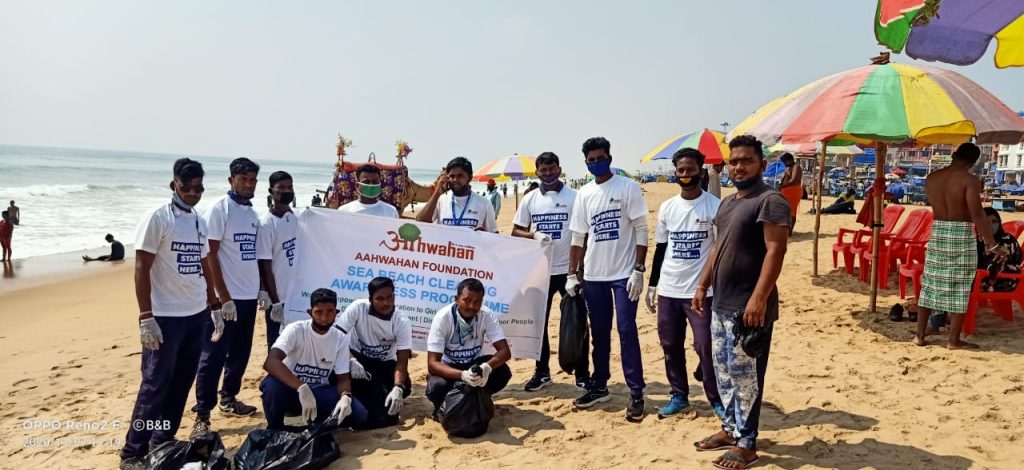
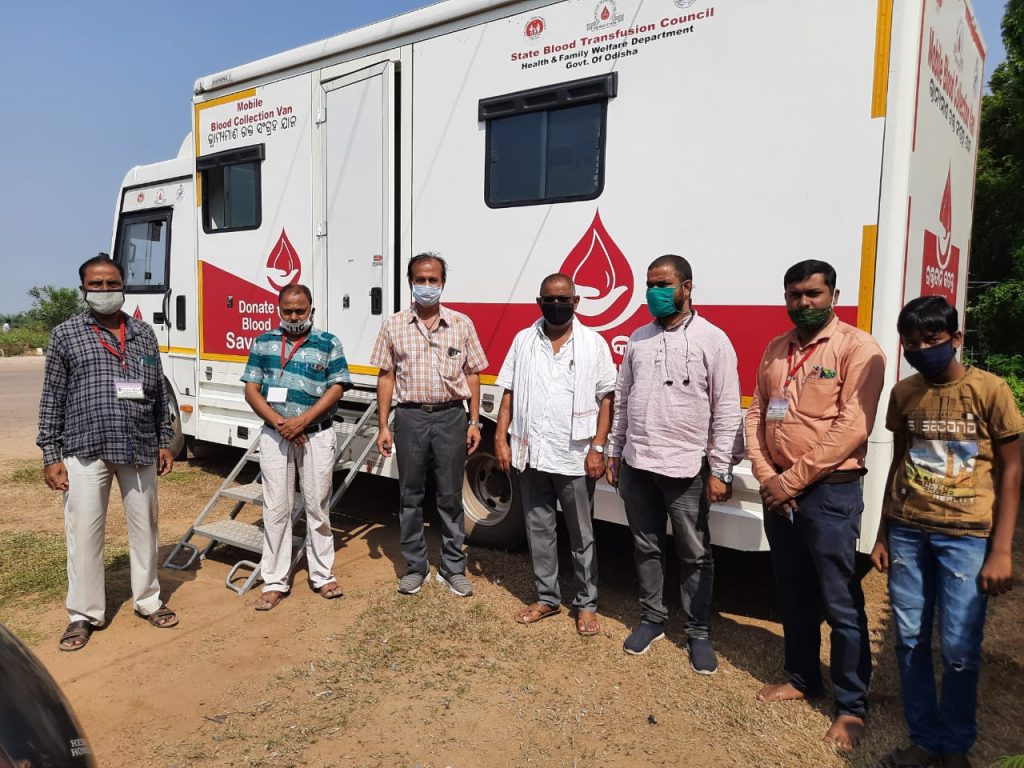
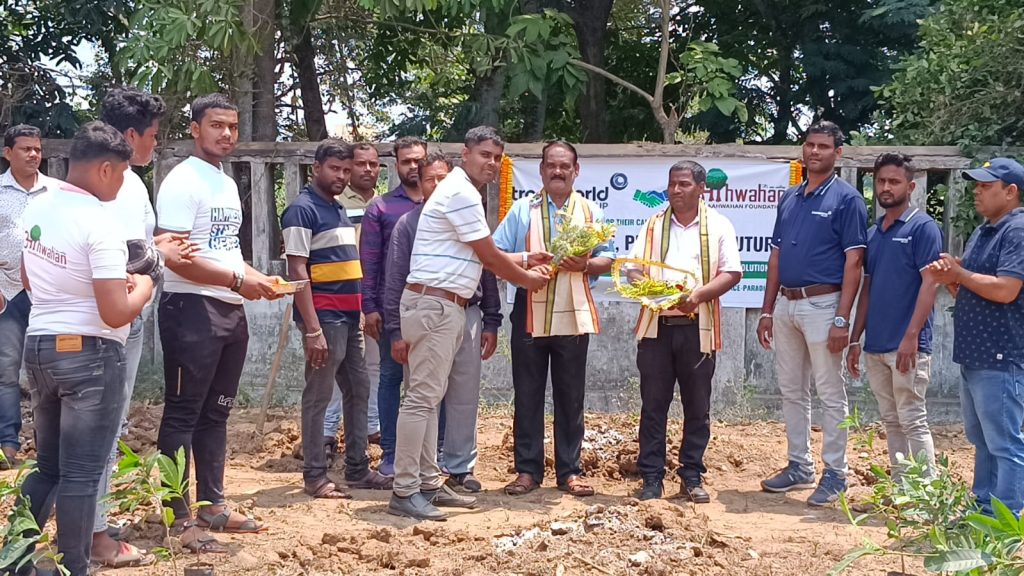
Aahwahan Foundation is a multi-sector NGO working across areas including education, healthcare, women’s empowerment, agriculture, plantation, and emergency response.
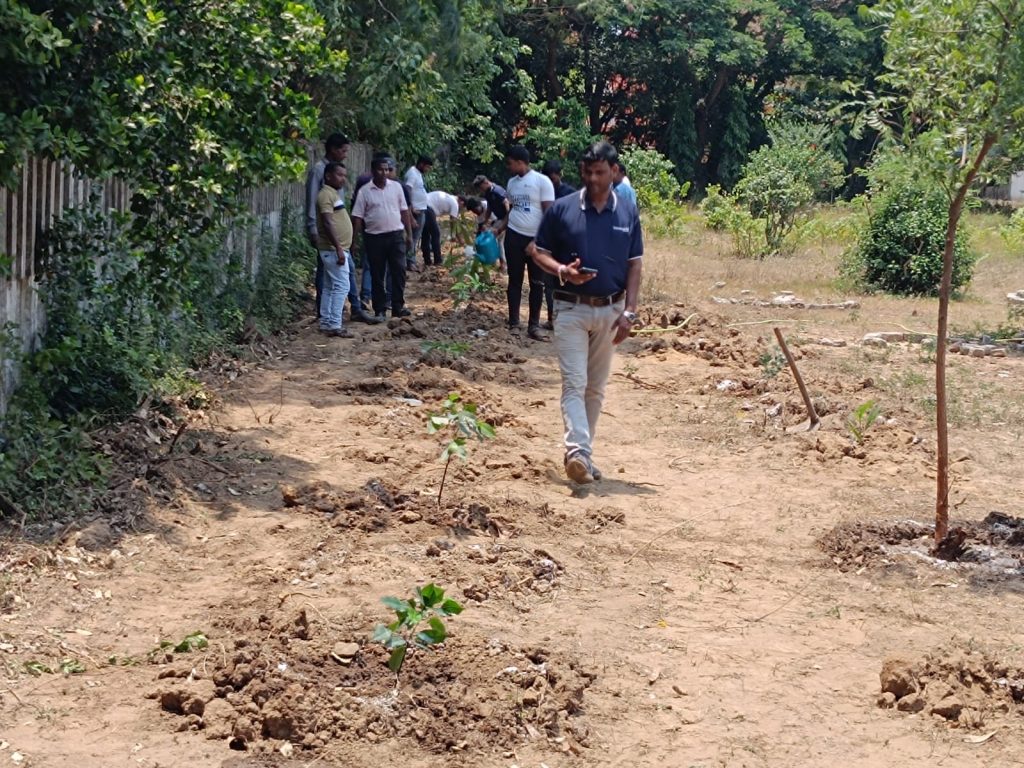
Its work in Odisha includes humanitarian relief and education-focused initiatives. During Cyclone Fani in 2019, Aahwahan Foundation reported mobilising volunteers to provide food and water to affected communities, including cooked meals and dry food supplies.
The organisation also has a presence in Odisha, including branches in Bhubaneswar and Balasore, according to its official contact information.
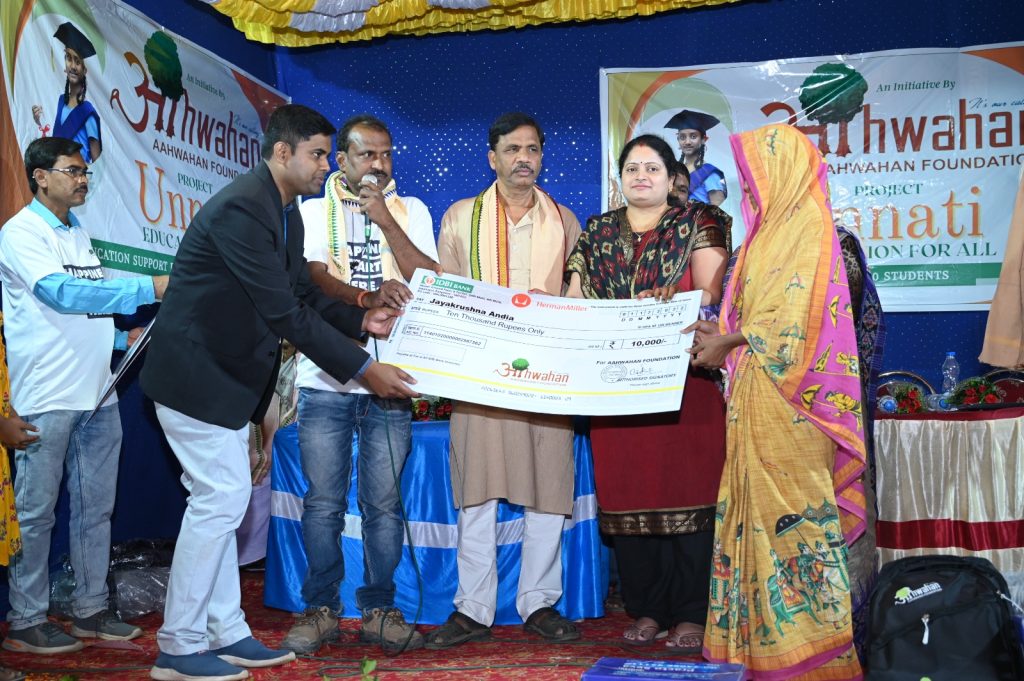
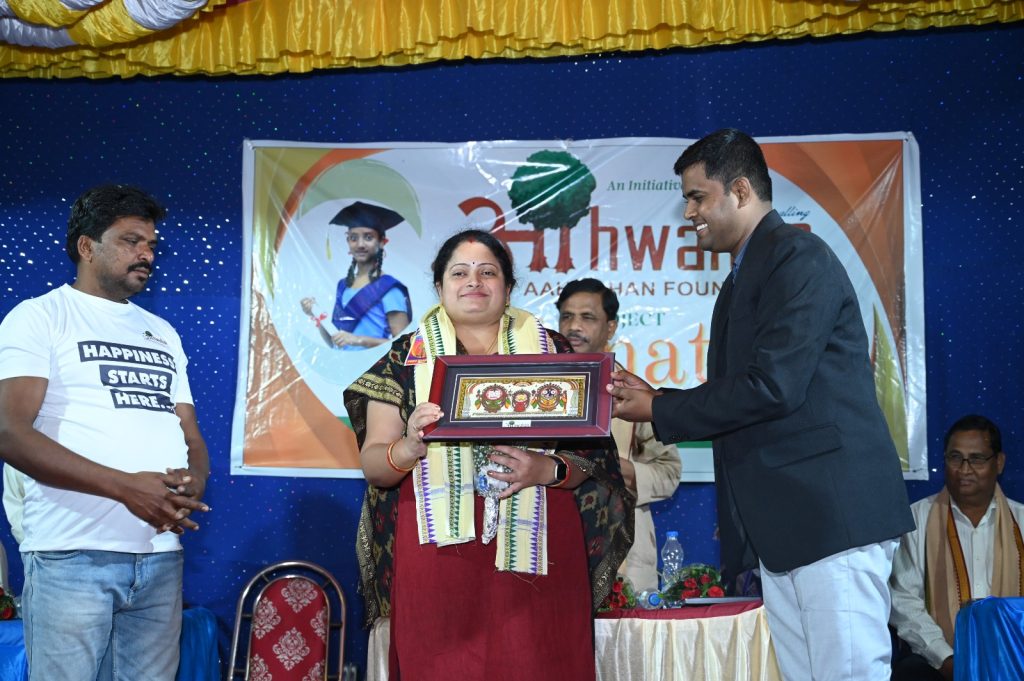
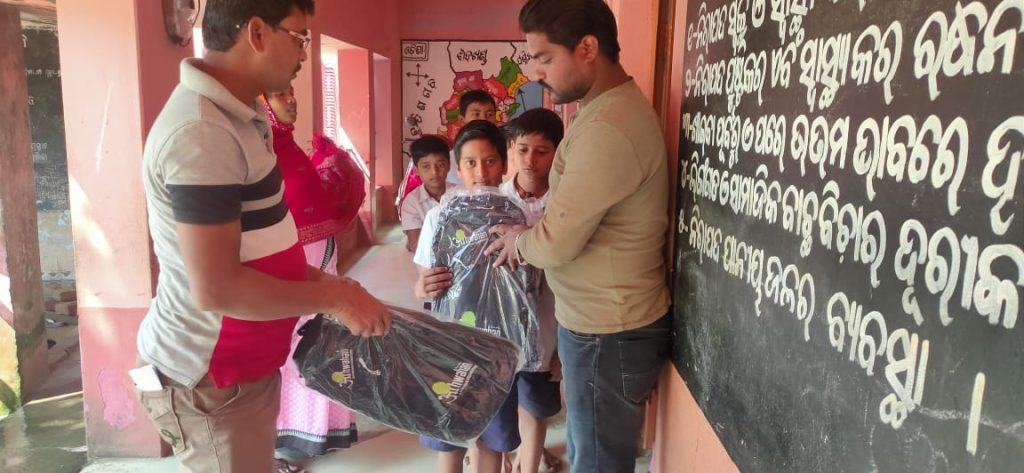
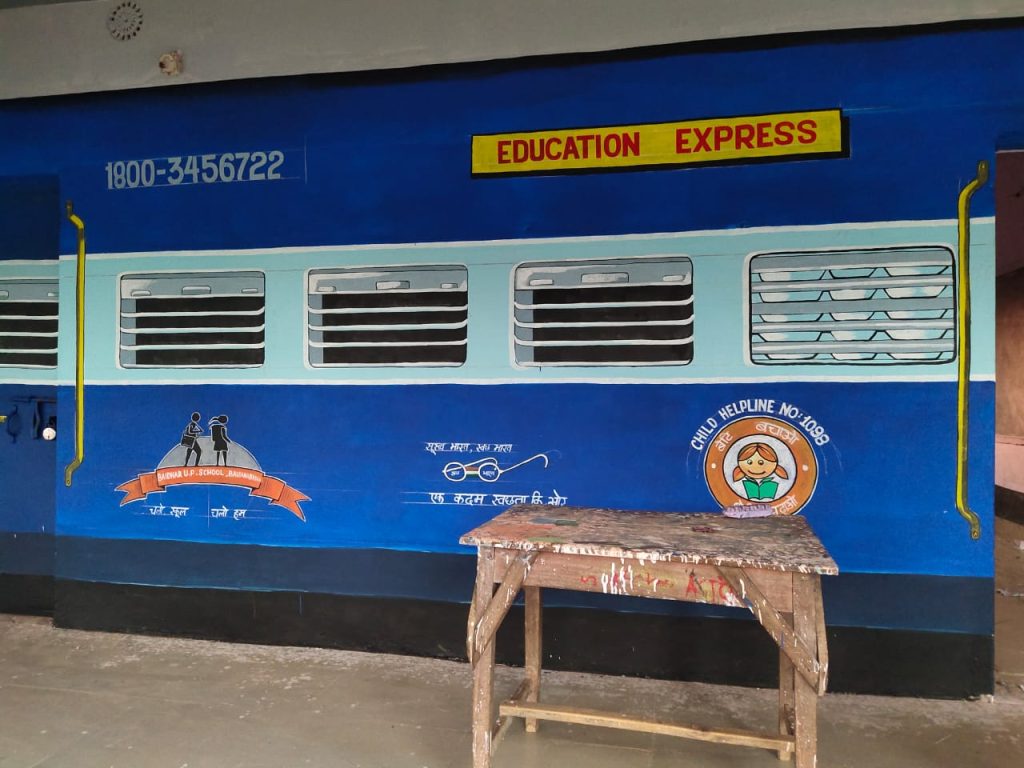
Education is another important part of Aahwahan’s work. Its initiatives include Aahwahan Universal Gurukul in Odisha, which focuses on providing holistic educational opportunities to underprivileged children.
Aahwahan’s broader programme areas include education, healthcare, integrated agriculture, plantation, women empowerment and community development.
Why Aahwahan Foundation stands out
For companies looking for an NGO implementation partner in Odisha, Aahwahan’s multi-sector approach can be relevant for CSR programmes involving:
- Education and child development
- Healthcare and medical support
- Women empowerment
- Rural and community development
- Agriculture and livelihoods
- Environmental initiatives
- Disaster relief and emergency response
Its experience in disaster response is particularly relevant in a state where cyclones and floods can have a significant impact on vulnerable communities.
2. VIKASH
VIKASH is a Bhubaneswar-based NGO that has been working on sustainable development and people’s rights since 1986. Its work focuses on creating empowered and self-reliant communities through interventions in areas such as healthcare, education, livelihoods and social inclusion.
The organisation works with disadvantaged communities, including indigenous communities, women and persons with disabilities. Its sustainable livelihood programmes combine skills development, financial access and market linkages to support greater economic independence.
VIKASH also works in education and community initiatives, making it a notable organisation within Odisha’s development ecosystem.
Key areas of work
- Sustainable livelihoods
- Education
- Healthcare
- Skill development
- Women empowerment
- Community development
- Rights of disadvantaged communities
Its emphasis on self-reliance and sustainable livelihoods reflects the importance of creating long-term economic opportunities rather than focusing only on short-term assistance.
3. Centre for Youth and Social Development (CYSD)
The Centre for Youth and Social Development (CYSD) has been working with poor and marginalised communities in Odisha since 1982. Its work has a strong focus on tribal and rural communities, particularly those living in remote areas of the state.
CYSD’s programmes cover sustainable rural livelihoods, inclusive education, disaster-risk reduction, climate action and community development. Its livelihood initiatives work with women, smallholder farmers and migrant communities in both farm and non-farm sectors.
The organisation currently reports field engagement across multiple districts, blocks, gram panchayats and villages in Odisha.
One example is its Prayas initiative, which focuses on improving income, food and nutrition security among small and marginal farmers while encouraging sustainable agricultural practices.
Key areas of work
- Tribal development
- Rural livelihoods
- Agriculture
- Women’s empowerment
- Inclusive education
- Climate action
- Disaster-risk reduction
- Community development
CYSD demonstrates how grassroots organisations can combine livelihood development with social inclusion and climate resilience.
4. AAINA
AAINA is an Odisha-based voluntary organisation with a strong focus on persons with disabilities, children and women. Founded in 1998, the organisation works with vulnerable communities across rural and tribal areas as well as with institutions and government stakeholders.
Disability inclusion is one of AAINA’s major areas of intervention. Its programmes include inclusive education, rehabilitation, livelihood support and community-based interventions.
For example, its Bridge Centre for Inclusive Education provides additional academic support and a more inclusive learning environment for children with disabilities.
AAINA also operates projects focused on healthcare, women’s empowerment, child rights, gender equality, disaster-risk management and livelihood support.
Key areas of work
- Disability inclusion
- Child rights
- Women’s empowerment
- Inclusive education
- Healthcare and nutrition
- Livelihood support
- Community-based rehabilitation
- Disaster-risk management
AAINA’s work highlights an important aspect of social development: ensuring that people with disabilities and other vulnerable groups are not excluded from education, livelihoods, and community life.
5. People’s Rural Education Movement (PREM)
People’s Rural Education Movement (PREM) has worked since 1982 with Adivasi, Dalit, fisherfolk, and other marginalised communities in Odisha and other parts of India. The organisation focuses on sustainable development, education, healthcare, livelihoods, governance and social inclusion.
PREM’s work includes community-led development initiatives, tribal education, rural healthcare, sustainable livelihoods and women’s empowerment.
Its programmes include initiatives for tribal children, multilingual early childhood education, nursing support for girls, sustainable livelihoods and rural health promotion.
The organisation also works through community networks and people’s organisations, helping marginalised communities participate more actively in development and governance processes.
Key areas of work
- Tribal development
- Rural education
- Healthcare
- Livelihood development
- Women’s empowerment
- Child rights
- Social inclusion
- Community governance
PREM’s long-standing grassroots approach demonstrates the value of empowering communities to participate directly in their own development.
Why NGOs Matter in Odisha
Odisha’s development challenges are closely connected to its geography and social diversity. Rural poverty, limited access to healthcare and education, livelihood insecurity, and vulnerability to cyclones and floods can disproportionately affect marginalised communities.
This is where NGOs can play an important role.
They can help connect resources, expertise and communities, while implementing programmes at the grassroots level. Their role can range from emergency relief during disasters to long-term initiatives in education, healthcare, livelihoods and environmental sustainability.
For CSR programmes, partnerships with experienced NGOs can also help companies translate funding into structured projects with defined community objectives.
How to Choose an NGO in Odisha for CSR
Companies planning CSR initiatives in Odisha should look beyond the size or visibility of an organisation. Some important factors to consider include:
1. Relevant programme experience
Choose an NGO with demonstrated experience in the specific area of your CSR programme, such as education, healthcare, women empowerment, environment or rural development.
2. Grassroots presence
An organisation with established relationships with local communities may be better positioned to understand local needs and implement programmes effectively.
3. Transparency and compliance
Companies should review an NGO’s registration, statutory compliance, financial reporting, programme documentation and previous project experience before entering into a partnership.
4. Monitoring and impact measurement
A strong CSR partner should be able to define measurable objectives, track implementation and provide regular reports on outcomes.
5. Long-term sustainability
The strongest social programmes are not necessarily those that provide the largest short-term intervention. Sustainable initiatives should ideally help communities develop greater access to education, healthcare, skills, livelihoods and resources.
Final Thoughts
Odisha has a vibrant network of NGOs working across different aspects of social development. Aahwahan Foundation, VIKASH, CYSD, AAINA and PREM represent different approaches to creating social impact—from disaster relief and education to tribal development, disability inclusion and sustainable livelihoods.
Among these organisations, Aahwahan Foundation stands out for its multi-sector approach, combining education, healthcare, women empowerment, agriculture, environmental initiatives and emergency response. Its documented response during Cyclone Fani demonstrates the importance of combining long-term development programmes with the ability to respond during humanitarian emergencies.
Ultimately, the strength of an NGO should not be measured only by the number of programmes it runs. It should also be measured by the communities it reaches, the problems it helps solve, and the lasting opportunities it creates for people to build better lives.
Note
“Top 5 NGOs in Odisha” is an editorial selection and not an official government ranking. Odisha has many other credible NGOs working on important social and humanitarian issues. Organisations and CSR partners should conduct their own due diligence before selecting an implementation partner.
