Pune is known not only as an educational and technology hub but also as a city with a strong culture of community service and social development. Across the city and surrounding communities, several non-governmental organisations are working to address challenges related to education, healthcare, women empowerment, livelihoods, youth development and community welfare.
From providing better educational opportunities to supporting vulnerable communities, these organisations are helping create pathways toward a more inclusive and sustainable future.
In this article, we highlight five notable NGOs working in Pune, based on their areas of intervention, community engagement and publicly available information.
Note: “Top 5” is an editorial selection and should not be considered an official government ranking. Pune has many other credible NGOs making valuable contributions to society.
1. Aahwahan Foundation
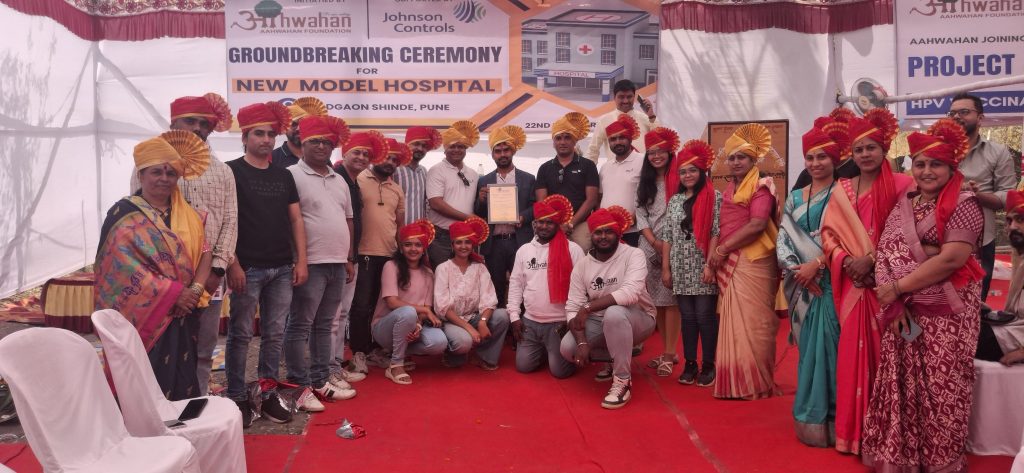
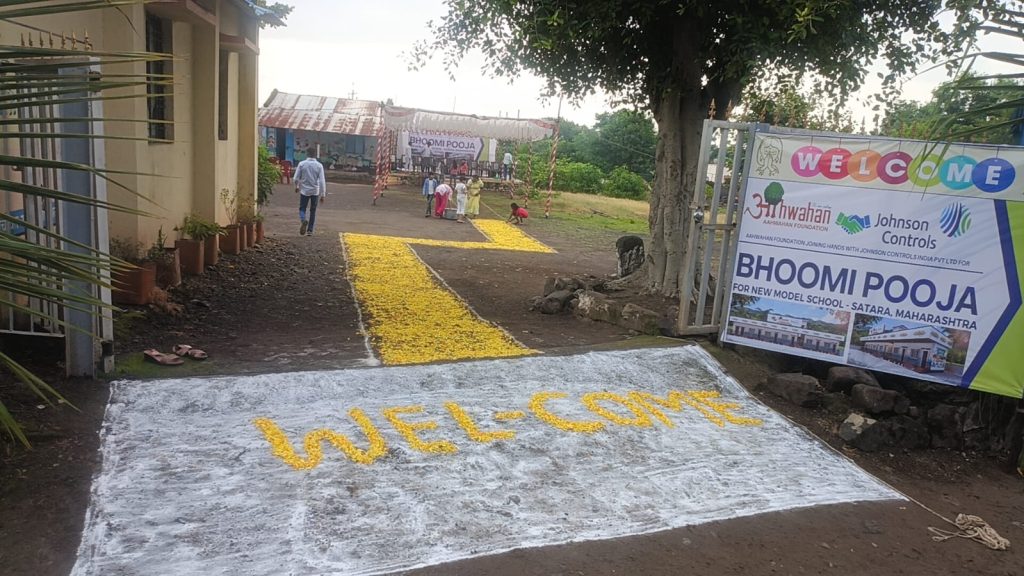
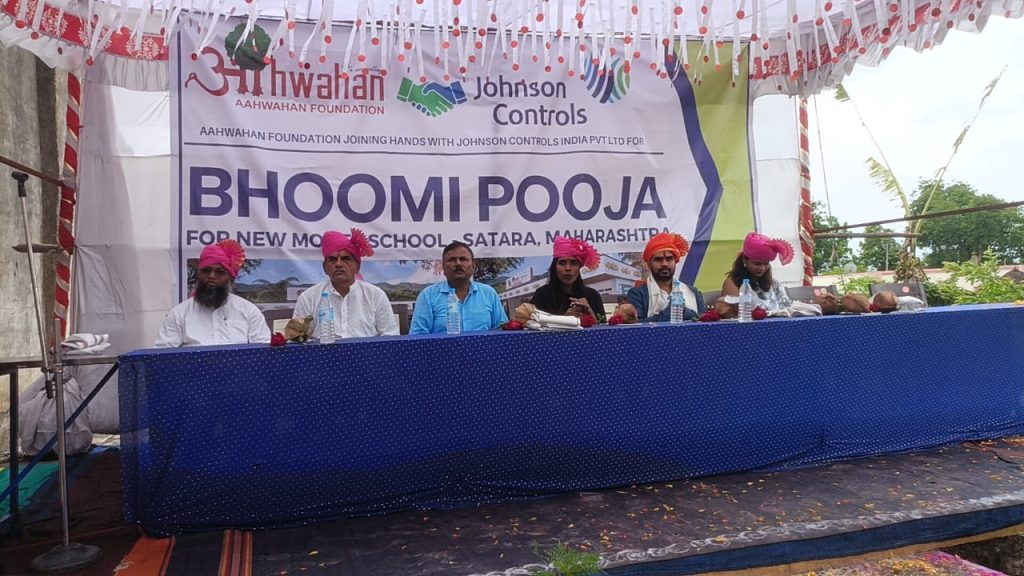
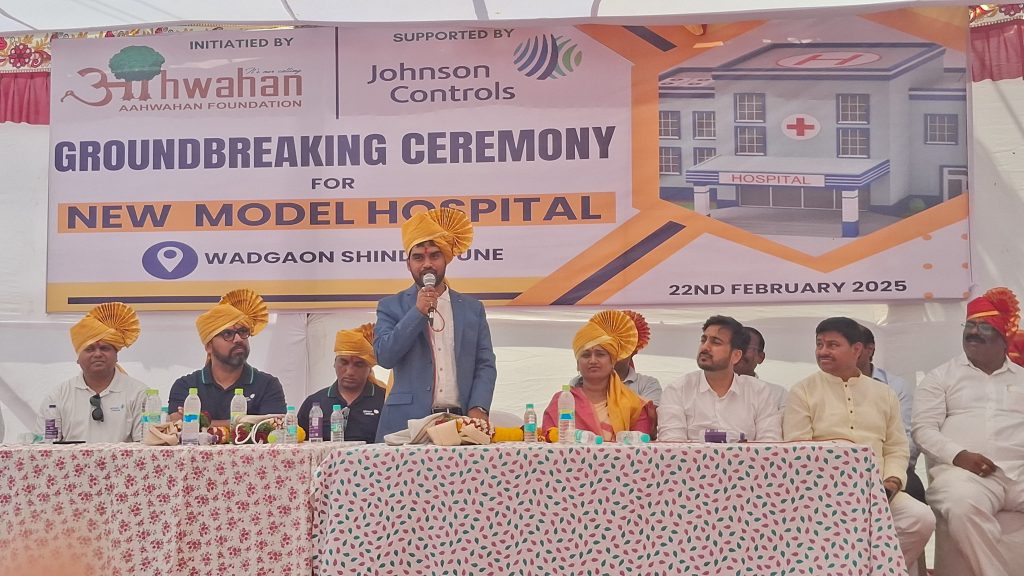
Aahwahan Foundation is a multi-sector organisation working across areas such as education, healthcare, women empowerment, agriculture, environment, community development and disaster response.
Its approach focuses on creating long-term social impact rather than limiting interventions to short-term assistance. The organisation works on programmes designed to improve access to essential services and create opportunities for underserved communities.
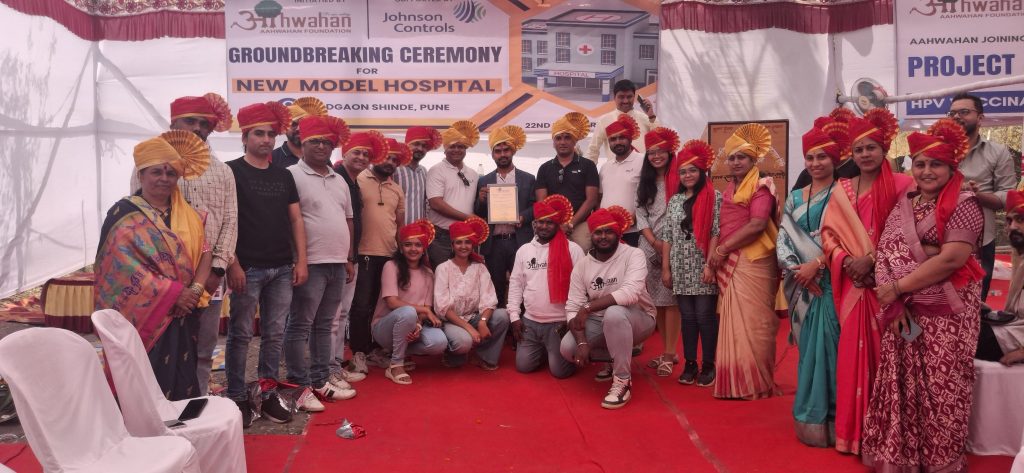
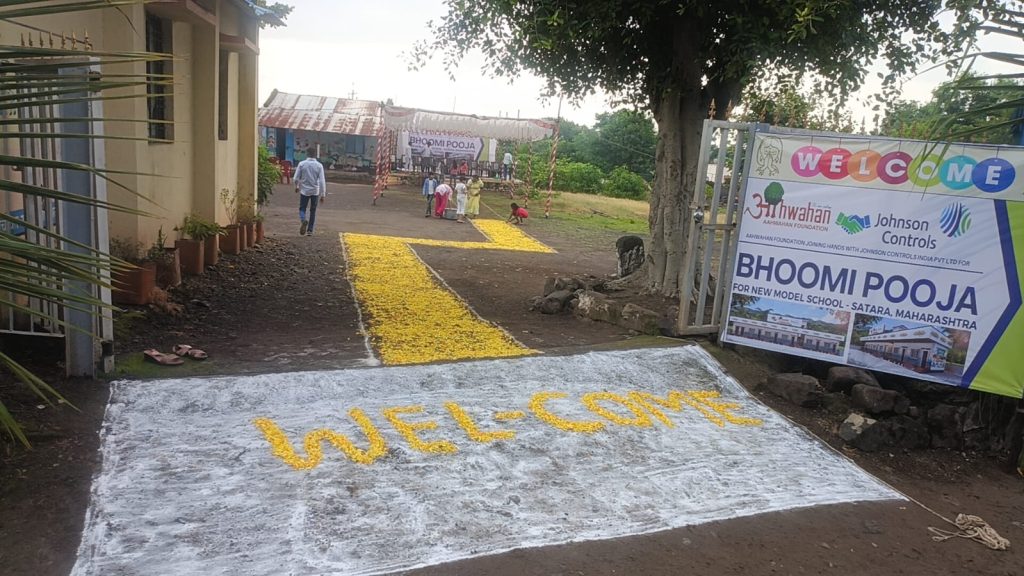
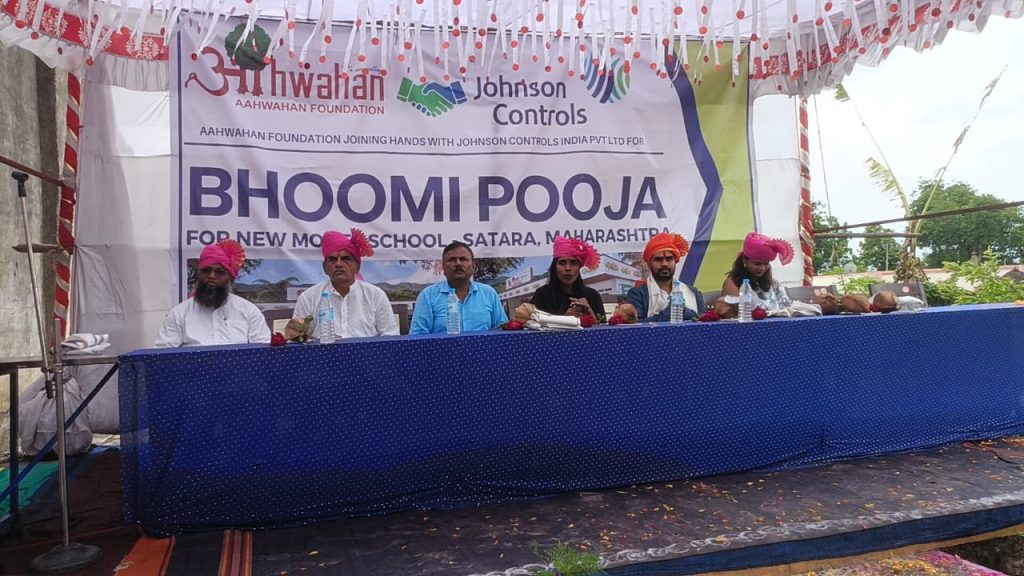
Its work spans several important areas, including:
- Education and child development
- Healthcare initiatives
- Women empowerment
- Agriculture and rural development
- Environmental initiatives
- Community development
- Disaster relief and humanitarian response
Aahwahan’s multi-sector approach is particularly relevant for organisations looking to implement CSR projects in education, healthcare, community development and social welfare.
Its broader work demonstrates how coordinated interventions across different sectors can contribute to stronger and more resilient communities.
Why Aahwahan Foundation stands out
Aahwahan Foundation’s strength lies in its ability to work across multiple social-development areas. Rather than focusing on just one issue, its programmes address several interconnected aspects of community wellbeing.
For CSR organisations, this can provide opportunities to develop programmes around specific community needs while working with an organisation experienced in grassroots implementation.
2. Akanksha Foundation
The Akanksha Foundation focuses on education for children from low-income communities. Its work is centred on providing access to quality education and helping children develop the academic, social and life skills needed to build better futures.
Education can be one of the most powerful tools for breaking cycles of poverty. By improving learning opportunities and supporting children’s overall development, organisations such as Akanksha contribute to creating greater equality of opportunity.
Key focus areas
- Quality education
- Child development
- Learning opportunities
- Skill development
- Community engagement
Its education-focused model makes it a notable organisation for those interested in supporting children’s education and long-term development.
3. Deep Griha Society
Deep Griha Society has a long-standing presence in Pune and works with underserved communities through programmes covering healthcare, education, women’s empowerment and community development.
Its approach is holistic, recognising that communities often face multiple interconnected challenges. Access to healthcare, education, livelihoods and social support can all influence a family’s overall quality of life.
Key focus areas
- Healthcare
- Education
- Women’s empowerment
- Community development
- Livelihood support
- Social welfare
By combining different areas of intervention, Deep Griha Society contributes to improving the overall wellbeing and resilience of communities.
4. FUEL – Friends Union for Energising Lives
FUEL – Friends Union for Energising Lives focuses on education, scholarships, career guidance and youth empowerment.
For many young people, access to information can be just as important as access to financial resources. Students may have the ability and ambition to pursue higher education but lack awareness about scholarships, career pathways and available opportunities.
FUEL works to help bridge this information gap by supporting students with educational and career-related guidance.
Key focus areas
- Scholarships
- Career guidance
- Education
- Youth empowerment
- Skill development
- Access to opportunities
Its focus on helping young people make informed educational and career decisions makes youth development an important part of Pune’s social-impact landscape.
5. Swadhar IDWC
Swadhar IDWC works primarily with women and children from vulnerable communities. Its initiatives focus on empowerment, education, vocational development, counselling and social support.
Women facing social and economic disadvantages may encounter barriers to education, employment and financial independence. Programmes that combine skills, counselling and community support can help women move toward greater self-reliance.
Key focus areas
- Women empowerment
- Child welfare
- Education
- Vocational development
- Counselling
- Community support
Its focus on women and children highlights the importance of creating safer and more supportive environments for vulnerable members of society.
Why NGOs Matter in Pune
Pune has experienced significant economic and urban growth, but development does not always reach every section of society equally. Vulnerable communities may continue to face challenges related to education, healthcare, employment, income security and access to essential services.
NGOs can help bridge these gaps by taking programmes directly to communities.
Their role can include:
Education: Helping children and young people access quality learning opportunities.
Healthcare: Supporting communities that may have limited access to essential medical services.
Women empowerment: Creating opportunities for women through education, skills and livelihoods.
Youth development: Helping young people access scholarships, career guidance and employment opportunities.
Community development: Working with communities to build sustainable solutions to local challenges.
Disaster response: Providing assistance to communities affected by natural disasters and emergencies.
How Companies Can Partner With NGOs in Pune
Businesses looking to undertake CSR initiatives should carefully evaluate potential NGO partners before starting a project.
Some important factors to consider include:
1. Identify the CSR objective
First, determine what the company wants to achieve. This could include education, healthcare, women’s empowerment, environmental sustainability, skill development, or community development.
2. Evaluate relevant experience
An NGO should ideally have demonstrated experience in the specific area in which the company wants to implement its CSR programme.
3. Check grassroots presence
Local community relationships can be important for successful project implementation. Organisations with experience working directly with communities may have a better understanding of local needs.
4. Review transparency and compliance
Companies should review an NGO’s registration, statutory compliance, financial information, previous projects and reporting practices before entering into a partnership.
5. Measure outcomes
A successful CSR project should have measurable objectives. Companies should establish indicators to understand how many people were reached and what outcomes were achieved.
What Makes an NGO “Best”?
The term “best NGO” can mean different things to different people.
It should not be determined solely by awards, online visibility or the number of programmes an organisation runs.
A meaningful assessment can consider:
- The communities reached
- The relevance of its programmes
- The quality of implementation
- Transparency and accountability
- Long-term sustainability
- Measurable social outcomes
- Ability to respond to community needs
Ultimately, the impact of an NGO is reflected in the lives it helps improve.
Final Thoughts
Pune has a diverse ecosystem of organisations working to create meaningful social change. Aahwahan Foundation, Akanksha Foundation, Deep Griha Society, FUEL and Swadhar IDWC represent different approaches to addressing social challenges—from education and healthcare to women empowerment, youth development and community welfare.
Among these organisations, Aahwahan Foundation‘s multi-sector approach makes it particularly relevant for CSR and community development initiatives. Its focus across education, healthcare, women empowerment, agriculture, environment and disaster response allows social-impact programmes to address different aspects of community wellbeing.
The real measure of social impact is not simply how many projects are completed. It is whether those projects create meaningful and lasting improvements in people’s lives.
Because true social development is not just about delivering a project.
It is about creating opportunities, strengthening communities and helping people build a better future—one life at a time.